Blood pressure education
Practical information to help you understand blood pressure readings, use home monitoring equipment, make informed everyday choices, and prepare useful questions for your healthcare professional.
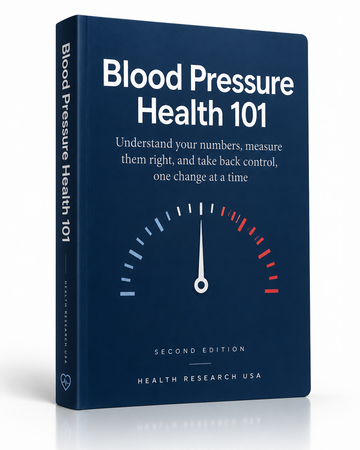
Understand what systolic and diastolic blood pressure numbers mean, how adult blood pressure categories are defined, and why one reading cannot establish a diagnosis or personal treatment target. These guides cover home, office, and ambulatory monitoring, blood pressure and pulse, unusually high or low readings, symptoms that require attention, and questions to discuss with your healthcare professional.
Learn how to choose a home blood pressure monitor, check whether a device has been independently validated, and select the right cuff size for your arm. These guides also explain monitor accuracy, useful features, proper equipment care, common error messages, and what to bring when asking a healthcare professional to compare your monitor with office equipment.
Learn what to do after an unusually high or low blood pressure reading, how symptoms can change the urgency of the situation, and when current guidance recommends contacting a healthcare professional or calling 911. These resources also explain how to repeat a measurement properly, report symptoms clearly, prepare an emergency contact card, and communicate a concerning reading to your care team.
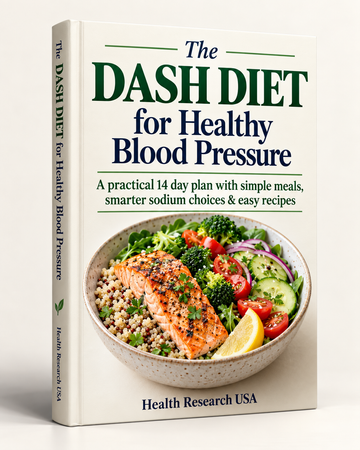
Learn how to identify sodium on a Nutrition Facts label, compare two products fairly, and calculate sodium for the portion you actually eat. These guides explain serving sizes, percent Daily Value, reduced sodium and low sodium claims, frozen meal labels, soups, sauces, condiments, and practical ways to record preferred products while shopping.
Discover practical ways to build flavor with herbs, spices, citrus, garlic, aromatics, roasting, texture, and temperature. These guides cover homemade seasoning blends, adapting familiar family recipes, controlling sauce portions, comparing sodium across different cuisines, and important questions to ask before using a potassium-based salt substitute.
Find practical ways to review restaurant menus, ask how food is prepared, request sauces or dressings separately, and use available nutrition information when ordering takeout. These guides also address shared meals, hotel stays, social situations, and communicating food preferences without disclosing personal medical information.
Explore evidence-based information about caffeine, alcohol, nicotine, smoking, beverage serving sizes, and individual fluid needs. These guides can help you record what you consume, prepare questions about medication interactions, find reliable tobacco cessation support, and discuss personal concerns with a healthcare professional or pharmacist.
Learn how to prepare for a conversation about starting or changing an exercise routine, choose activities you enjoy, plan safer walking routes, and add movement to a desk day. These guides also cover indoor activity options, activity partners, accessible exercise classes, mobility limitations, and symptoms that should prompt you to stop and seek medical attention.
Explore practical ways to keep a sleep diary, create an evening routine, improve bedroom conditions, and discuss conflicting or changing sleep schedules. These guides also explain what to report about persistent snoring, daytime sleepiness, shift work, and other sleep concerns that may deserve professional evaluation.
Find practical ways to identify recurring sources of stress, prepare for demanding weeks, build short pauses into a busy day, ask for specific help, and set boundaries around health news and social media. These resources also explain when stress has become difficult to manage and how to find appropriate professional support. They do not present stress reduction as a treatment for high blood pressure.
Explore what living well as you age can mean beyond health measurements. These guides cover personal goals, hobbies, social connection, community participation, independence, confidence, and creating a broader wellbeing plan. Blood pressure monitoring and medical care remain important, but one health number does not define a person's quality of life or progress.
Try a broader search term.