


![Longevity Complete Detox [BETA 21 Caps]: 7 Day Intensive Detox & Digestive Support](http://longevitypremier.com/cdn/shop/files/DetoxBeta-mid_100x100.png?v=1787365739)




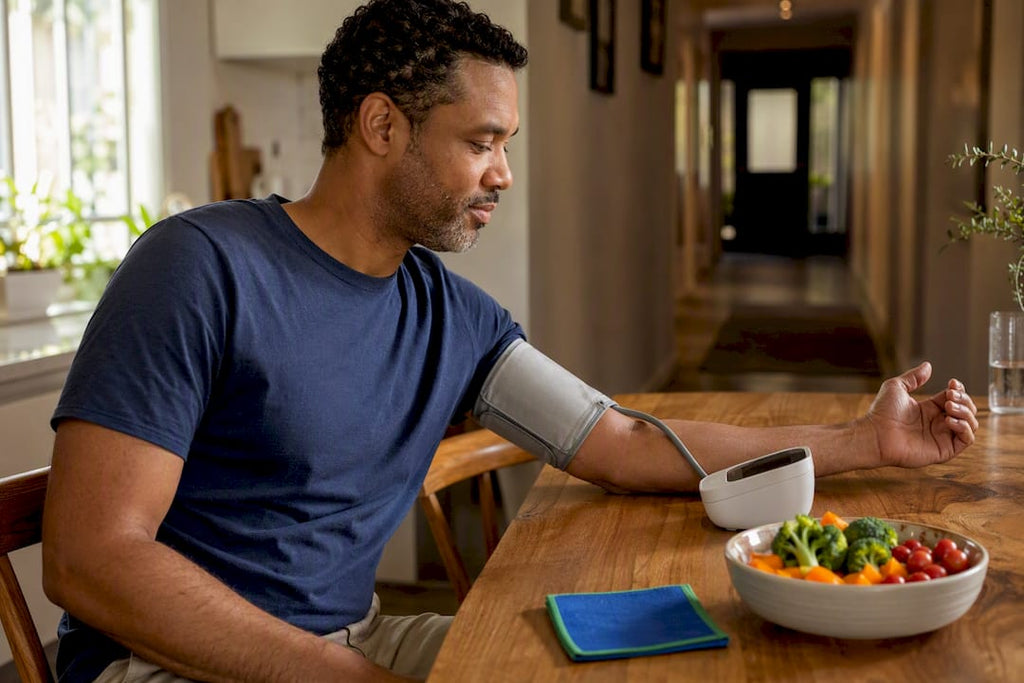
Up to 11 mm Hg With DASH: Lower BP Naturally With Home Monitoring
For many people, proven lifestyle changes lower blood pressure as effectively as some medications for mild hypertension. The highest-impact levers are a DASH-style diet, cutting sodium, losing excess weight, walking or cycling most days, limiting alcohol, sleeping better, and managing stress. Home monitoring tells you if it’s working. None of this replaces a clinician’s judgment, especially if your numbers are already high or you take blood pressure medicine.
TL;DR:
- Combining a DASH diet, sodium reduction, and regular exercise can lower systolic blood pressure by more than 10 mm Hg, rivaling some medications.
- A typical Western diet easily exceeds 2,300 mg of sodium daily, mainly from packaged and restaurant foods, which undermines blood pressure control.
- Monitoring blood pressure at home consistently and tracking trends is crucial for managing and adjusting lifestyle changes effectively.
- Sleep quality and daily stress reduction techniques, like breathing exercises and mindfulness, have proven to lower blood pressure over time.
- Supplements such as garlic, magnesium, and fish oil can modestly aid blood pressure, but they should complement, not replace, diet and lifestyle modifications.
Table of Contents
- What Are the Best Natural Ways to Lower Blood Pressure?
- How Do You Follow a DASH-Style Diet and Cut Sodium Safely?
- How Much Exercise and Weight Loss Actually Lower Blood Pressure?
- Can Better Sleep and Stress Management Lower Blood Pressure?
- Do Supplements Like Garlic or Magnesium Help Lower Blood Pressure?
- How Do You Take an Accurate Blood Pressure Reading at Home?
- Why Do Processed Foods and Added Sugar Undermine Blood Pressure Control?
- Which Herbal Remedies for Blood Pressure Actually Have Evidence?
- How Do You Make Blood Pressure Lifestyle Changes That Actually Last?
- How Does Caffeine Affect Blood Pressure, and Should You Cut It?
- Combining Lifestyle Changes With Clinical Care
- Longevity Premier Blood Pressure Formula: A Considered Adjunct
- Sources
What Are the Best Natural Ways to Lower Blood Pressure?
Not every habit change moves the needle the same amount. Some interventions shift your numbers by a couple of points; others by nearly ten. Knowing the hierarchy helps you spend effort where it counts instead of chasing every wellness trend that crosses your feed.
Here’s roughly how the biggest levers stack up, ranked by evidence and effect size:
- Adopt a DASH-style diet. Loading up on fruits, vegetables, whole grains, and low-fat dairy while cutting saturated fat can lower systolic pressure by up to 11 mm Hg.
- Cut sodium toward 1,500 mg a day. Most people eating a typical Western diet can drop their systolic number by about 5 to 6 mm Hg just by trimming salt, mostly from packaged food, not the shaker.
- Lose weight if you’re carrying excess. Blood pressure tends to fall roughly 1 mm Hg for every kilogram lost, so even modest progress adds up.
- Move your body most days. Around 150 minutes of moderate aerobic activity weekly can lower blood pressure by 5 to 8 mm Hg.
- Limit alcohol. Cutting back reduces both blood pressure and the odds it creeps up over time.
- Quit smoking or vaping. Nicotine spikes blood pressure temporarily and damages vessel walls long term.
- Fix your sleep. Poor sleep quality is tied to higher daytime readings and blunted overnight dipping.
- Practice stress reduction daily. Slow breathing and mindfulness lower the physiological stress response that keeps blood pressure elevated.
- Monitor at home. You cannot manage what you do not measure, and trends matter more than any single reading.
The math adds up fast. Combine DASH eating, a sodium cut, and regular exercise, and you’re realistically looking at a systolic drop in the double digits for many people, which is in the range some blood pressure medications deliver on their own.
How Do You Follow a DASH-Style Diet and Cut Sodium Safely?
The DASH eating plan isn’t a fad diet. It’s a decades-old, clinically studied pattern built around fruits, vegetables, whole grains, nuts, and low-fat dairy, with saturated fat, red meat, and added sugar dialed way down. The sodium side matters just as much: many adults benefit from getting closer to 1,500 mg a day, with 2,300 mg as the upper ceiling most guidelines recommend.
Here’s the part people miss: you’re probably not oversalting your food at the table. You’re eating it in bread, deli meat, canned soup, and restaurant meals where sodium hides in plain sight.
- Read labels and compare sodium per serving, not per package.
- Swap canned vegetables for fresh or frozen with no added salt.
- Choose low-sodium or no-salt-added condiments, especially soy sauce, ketchup, and salad dressing.
- Cook more meals at home, where you control the salt.
- Increase potassium-rich foods like bananas, sweet potatoes, spinach, and beans, since potassium helps counteract sodium’s effect on blood pressure.
One caution deserves its own paragraph. If you take an ACE inhibitor, ARB, or a potassium-sparing diuretic, do not reach for salt substitutes without checking with your clinician first. Those substitutes swap sodium chloride for potassium chloride, and combined with certain medications, that can push potassium to dangerous levels.
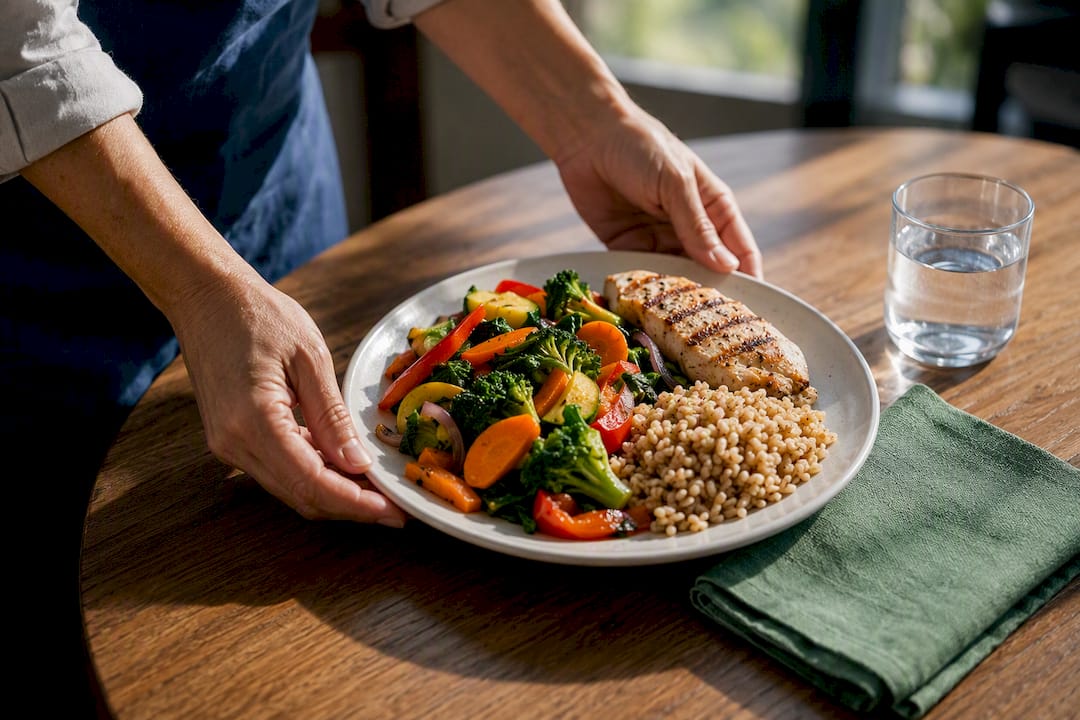
Pro Tip: Build one DASH-style plate a day before trying to overhaul every meal. Half the plate vegetables, a quarter lean protein, a quarter whole grains. Consistency with one meal beats perfection you can’t sustain.
How Much Exercise and Weight Loss Actually Lower Blood Pressure?
Public health guidance is specific here, not vague. The CDC recommends 150 minutes of moderate aerobic activity per week, or 75 minutes of vigorous activity, and that dose is tied to measurable results. People who hit that target consistently see blood pressure drop 5 to 8 mm Hg, which rivals what a low-dose medication might achieve.

Weight plays its own role, separate from exercise. Losing even 3% to 10% of body weight produces a measurable drop in most people carrying excess weight, with roughly 1 mm Hg of reduction per kilogram lost. That means a 90-kilogram person who loses 9 kilograms could see meaningful improvement, sometimes enough to change their treatment plan entirely.
You don’t need a gym membership to hit these numbers:
- Walk briskly for 30 minutes, five days a week. That alone satisfies the CDC target.
- Break activity into 10 minute chunks if a single 30 minute block doesn’t fit your schedule.
- Take the stairs, park farther away, and treat errands as movement opportunities.
- Add two days of light resistance training weekly. Strength work supports the weight loss side of the equation and improves long-term metabolic health.
Can Better Sleep and Stress Management Lower Blood Pressure?
Sleep and stress don’t get the same headline treatment as diet and exercise, but they’re doing quiet work on your numbers every single day. Adults who consistently get less than seven hours of sleep tend to run higher blood pressure, partly because poor sleep blunts the natural nighttime dip your cardiovascular system relies on for recovery.
Start with the basics: a consistent sleep and wake time, a screen curfew an hour before bed, and a cool, dark bedroom. These sound almost too simple to matter, but they’re the foundation everything else builds on.
For stress, three techniques have real backing:
- Diaphragmatic breathing at a slow pace, roughly 5 to 7 breaths per minute, can meaningfully calm the nervous system when practiced regularly.
- Mindfulness meditation, even 10 minutes daily, trains your stress response to settle faster.
- Progressive muscle relaxation, tensing and releasing muscle groups, works well for people who carry stress physically.
None of these deliver instant results. The benefit builds with weeks of consistent practice, not a single session before a big meeting.
Pro Tip: Set a phone reminder for two 5 minute breathing breaks a day, one mid-morning and one after lunch. Short and frequent beats one long session you keep skipping.
Do Supplements Like Garlic or Magnesium Help Lower Blood Pressure?
Some supplements have real evidence behind them, though the size of that evidence varies a lot depending on what you’re looking at. Aged garlic extract, magnesium, fish oil, and berberine each show modest blood pressure benefits in clinical research, generally showing small reductions rather than the larger drops you’d see from combining diet and exercise. Supplements work best as an addition to those bigger levers, not a substitute for them.
Quality control is a real issue in this category. Supplement potency and purity vary widely between brands, since the industry isn’t regulated the same way pharmaceuticals are, so sourcing matters. Longevity Premier builds its Blood Pressure Formula around ingredients that already carry some evidence base, including hawthorn, kudzu, and garlic, informed by more than 30 years of healthcare practice experience behind the company’s formulation approach.
The interaction warning here matters more than most people realize:
- Potassium-based supplements or salt substitutes can interact dangerously with ACE inhibitors, ARBs, and potassium-sparing diuretics.
- Fish oil at high doses can thin blood and interact with anticoagulants.
- Any new supplement should be reviewed with your clinician if you’re on blood pressure medication, since the combined effect can drop pressure too far.
If you want to dig deeper before choosing anything, Longevity Premier’s own breakdowns of garlic’s evidence and magnesium’s role walk through what’s actually been studied versus what’s marketing.
How Do You Take an Accurate Blood Pressure Reading at Home?
A cuff that doesn’t fit your arm will lie to you. An oversized cuff underestimates your reading, and an undersized one overestimates it, which means two people using the same device can get wildly different accuracy depending on arm size alone.
Get the technique right and the numbers become trustworthy:
- Rest quietly, seated, for 5 minutes before measuring.
- Keep your arm supported at heart level, feet flat on the floor, back supported.
- Avoid caffeine, exercise, and smoking for 30 minutes beforehand.
- Take two or three readings a minute apart and average them.
- Measure at the same time each day for one to two weeks to build a real pattern.
A single high reading isn’t a crisis. Clinicians care far more about the trend than any one number, which is exactly why a home measurement checklist and a running log matter more than obsessing over today’s number. That said, a reading above 180/120 with symptoms like chest pain, shortness of breath, or vision changes is an emergency. Call for help immediately rather than waiting to see if it comes down on its own.
Why Do Processed Foods and Added Sugar Undermine Blood Pressure Control?
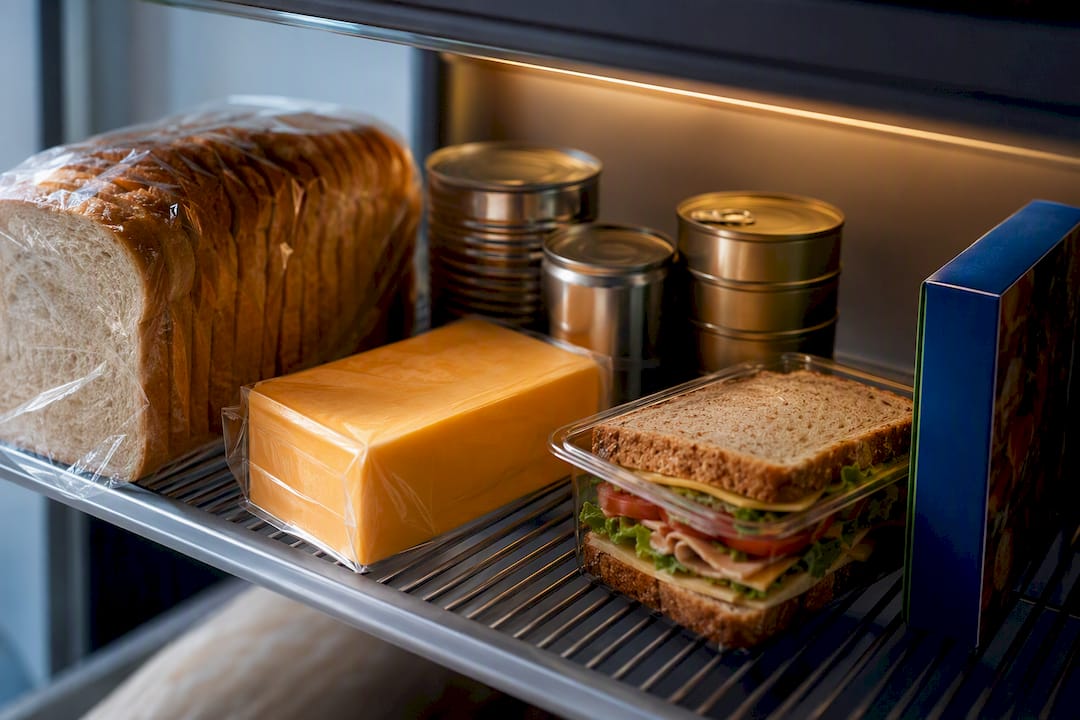
Processed food is where the sodium reduction plan quietly falls apart for most people. You can skip the saltshaker entirely and still blow past 2,300 mg a day if breakfast is cereal, lunch is a deli sandwich, and dinner comes from a box. Bread, cheese, canned goods, and frozen entrees carry sodium loads that dwarf anything you’d add by hand.
Added sugar deserves equal attention, and it’s the piece diet advice often skips. Excess sugar, particularly from sugary drinks, contributes to weight gain and insulin resistance, and both of those push blood pressure upward over time. A can of soda a day adds up to real weight gain over a year, and that weight gain works against every other change you’re making.
The fix isn’t dramatic elimination. It’s substitution:
- Replace one processed meal a day with something cooked from whole ingredients, even something simple like eggs and vegetables.
- Swap sugary drinks for water, sparkling water, or unsweetened tea.
- Choose whole fruit over fruit juice, since juice strips out fiber and concentrates sugar.
- Check nutrition labels for both sodium and added sugar. Manufacturers often cut one while loading the other to preserve taste, so checking both matters.
This is also where a DASH-style shopping list earns its keep, since it steers you toward foods that are naturally low in both sodium and added sugar rather than asking you to police every label individually.
Which Herbal Remedies for Blood Pressure Actually Have Evidence?
Herbal remedies for blood pressure occupy a messy middle ground between folk wisdom and clinical proof. Some have legitimate research behind them. Many are riding on tradition alone, with little more than anecdote supporting the claims on the label.
Hawthorn and garlic sit near the top of the evidence pile, showing modest but real effects on blood pressure in multiple studies. Kudzu shows up in some Longevity Premier formulations for its traditional use in cardiovascular support, though its evidence base is thinner than garlic’s. Hibiscus tea has a reasonable amount of research behind it too, with several small trials showing measurable systolic reductions when consumed regularly.
The honest caveat: herbal evidence is almost always built on smaller trials than pharmaceutical research, and dosing standardization is inconsistent from one product to the next. A “garlic supplement” from one manufacturer might contain a fraction of the active compound found in another, so labels claiming an ingredient don’t guarantee an effective dose.
Longevity Premier’s own review of the top herbs with clinical backing breaks down which ones have real trial support versus which are mostly tradition. That’s the right way to approach this category: treat herbal remedies for blood pressure as a supporting player, verify the evidence before buying, and never swap an herb for a prescribed medication without your clinician’s input.
How Do You Make Blood Pressure Lifestyle Changes That Actually Last?
Most people who try to lower blood pressure naturally fail not because the science is wrong, but because they try to change everything on January 1st and burn out by February. A sustainable plan looks almost boring by comparison, and that’s exactly why it works.
Start with one change, not five. Pick sodium reduction or daily walking, whichever feels more doable this week, and give it two to three weeks before adding the next layer. This staged approach lets each habit become automatic before you stack another on top of it.
Track something. A blood pressure log with a notes column for medication timing, activity, and stress gives you the feedback loop that keeps motivation alive when progress feels slow. Seeing your average drop from 142 to 136 over six weeks is a concrete reason to keep going, in a way that “eating better” as a vague goal never provides.
Build in slack for bad weeks. A holiday, a stressful month at work, a stretch of poor sleep, these will happen, and one bad week does not undo six good ones. The people who sustain these changes long term treat setbacks as data, not failure.
Finally, loop your clinician in early rather than after you’ve already made changes. Someone managing blood pressure with nutrition support, similar to the way people manage nutrition for broader long-term health goals, benefits from a professional checking whether medication doses need adjusting as lifestyle changes take hold.
How Does Caffeine Affect Blood Pressure, and Should You Cut It?
Caffeine causes a short-term spike in blood pressure, typically within 30 minutes of your cup of coffee, and that spike can last a few hours in people who don’t drink it regularly. If you’re a daily coffee drinker, your body builds some tolerance, and the effect is usually smaller than it is for someone who rarely touches caffeine.
The practical question isn’t “does caffeine raise blood pressure.” It does, temporarily. The real question is whether your habit is making your baseline worse, and that’s harder to answer without data.
Here’s a useful test: check your blood pressure before your morning coffee and again 30 to 60 minutes after. If you see a jump of 5 mm Hg or more consistently, caffeine sensitivity might be part of your picture, and cutting back or switching to half-caf is worth trying for a couple of weeks.
A few practical strategies for managing intake without eliminating it entirely:
- Cap yourself at 200 to 300 mg a day, roughly two 8 ounce cups of coffee.
- Avoid caffeine within 6 hours of bedtime, since it disrupts sleep quality, which circles back to worsen blood pressure control.
- Watch for hidden caffeine in energy drinks and some over the counter pain relievers.
- Skip caffeine for 30 minutes before any home blood pressure reading, since a fresh cup will skew your number and make your log less reliable.
If you’re already tracking readings in a log, note your caffeine intake in the same entry. That context turns a confusing spike into useful information instead of a mystery.
Combining Lifestyle Changes With Clinical Care
The pattern I keep coming back to is that people rarely fail at lowering blood pressure because the information is missing. They fail because they try to do it alone, guessing at whether their changes are working. The readers who make real progress are the ones who pair consistent habits with a number they can actually see, and a clinician who can interpret it.
My honest take: pick two changes, not ten. Track them. Bring the data to your next appointment instead of a vague “I’ve been trying to eat better.” That’s the difference between guessing and managing.
— Charles
Longevity Premier Blood Pressure Formula: A Considered Adjunct
Lifestyle changes are the foundation. For readers who want targeted nutritional support alongside diet and exercise, the Longevity Blood Pressure Formula combines hawthorn, kudzu, garlic, rutin, and sage into one formulation built on Longevity Premier’s decades of healthcare formulation experience.
This product is designed as supplemental support for people already working on sodium reduction, exercise, and weight management, not a replacement for prescribed medication. If you’re on blood pressure medicine, talk with your clinician before adding any supplement, especially given the potassium interaction warnings covered above. Pair it with consistent tracking using Longevity Premier’s blood pressure log and the free DASH nutrition eBook to see whether your numbers are actually moving. Start by ordering a bottle and logging two weeks of readings before your next appointment, so you and your clinician have real data to discuss.
Sources
For verification and deeper detail: DASH eating plan (MedlinePlus), 10 ways to manage high blood pressure without medicine (Mayo Clinic), treatment guidance (NHLBI), prevention guidance (CDC), and prevention and research (Johns Hopkins Medicine).
- DASH eating plan — MedlinePlus
- 10 ways to manage high blood pressure without medicine — Mayo Clinic
- Preventing high blood pressure — CDC