


![Longevity Complete Detox [BETA 21 Caps]: 7 Day Intensive Detox & Digestive Support](http://longevitypremier.com/cdn/shop/files/DetoxBeta-mid_100x100.png?v=1787365739)




Top 8 Blood Pressure Herbs Backed by Clinical Evidence
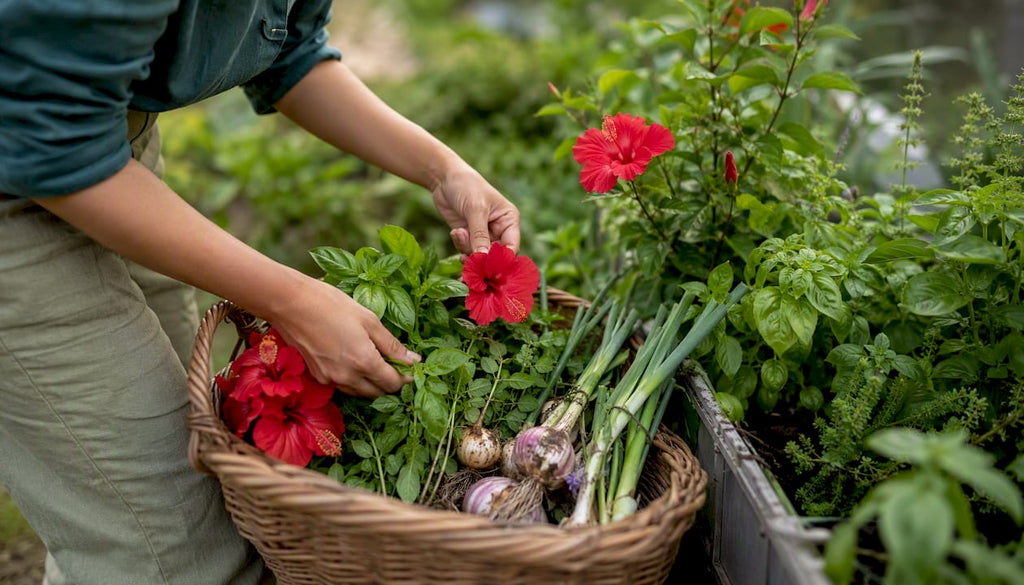
Garlic, hibiscus, celery seed, cinnamon, cardamom, ginger, basil, and hawthorn are the blood pressure herbs with the most clinical research behind them. Each can produce modest, measurable reductions in systolic and diastolic pressure, particularly in people with mildly to moderately elevated readings. The key word is adjunct: these herbs work alongside a healthy lifestyle and, when prescribed, conventional medications. They do not replace them.
The safety bottom line is non-negotiable. Herbs are biologically active. Some mimic pharmaceutical mechanisms closely enough to cause additive hypotension or bleeding risk when combined with prescription drugs. Tell your clinician before starting any herbal remedy for hypertension, and never stop a prescribed antihypertensive on your own.
Quick actions before you begin:
- Try culinary amounts first (garlic in food, hibiscus tea, cinnamon on oatmeal) before moving to concentrated extracts.
- Record your baseline blood pressure for 1–2 weeks before adding anything new.
- Pause or avoid herbal supplements if you are pregnant, breastfeeding, or scheduled for surgery within two weeks.
- See a clinician immediately if your reading hits 180/120 mmHg or higher, or if you feel chest pain, sudden severe headache, or vision changes.
Key Takeaways
Garlic and hibiscus have the strongest clinical evidence among blood pressure herbs, but preparation quality and clinician co-management determine whether any herb is safe and effective for you.
| Point | Details |
|---|---|
| Strongest evidence herbs | Garlic and hibiscus have the deepest human trial base; cinnamon and hawthorn follow with moderate support. |
| Cinnamon effect size | A meta-analysis of 9 studies (641 participants) reported pooled reductions of ~−6.2 mmHg SBP and ~−3.9 mmHg DBP with consistent use over 12 weeks. |
| Preparation matters | Positive trials used standardized extracts, not culinary amounts; check labels for defined active-compound content and third-party testing. |
| Safety-first rule | Never stop prescribed antihypertensives to try an herb; additive hypotension and bleeding interactions are real risks requiring clinician oversight. |
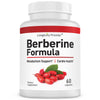
| Longevitypremier option | The Longevitypremier Blood Pressure Formula offers standardized, transparently labeled ingredients aligned with the quality criteria the clinical literature supports. |
Table of Contents
- Which blood pressure herbs have the strongest evidence?
- How do these herbs actually lower blood pressure?
- What clinical research actually shows
- How to use these herbs safely: forms, dosing, and quality checks
- Safety, side effects, and drug interactions you need to know
- When should you consult a healthcare provider?
- The case for evidence-forward, cautious optimism
- Longevitypremier’s blood pressure support formula
- Sources
Which blood pressure herbs have the strongest evidence?
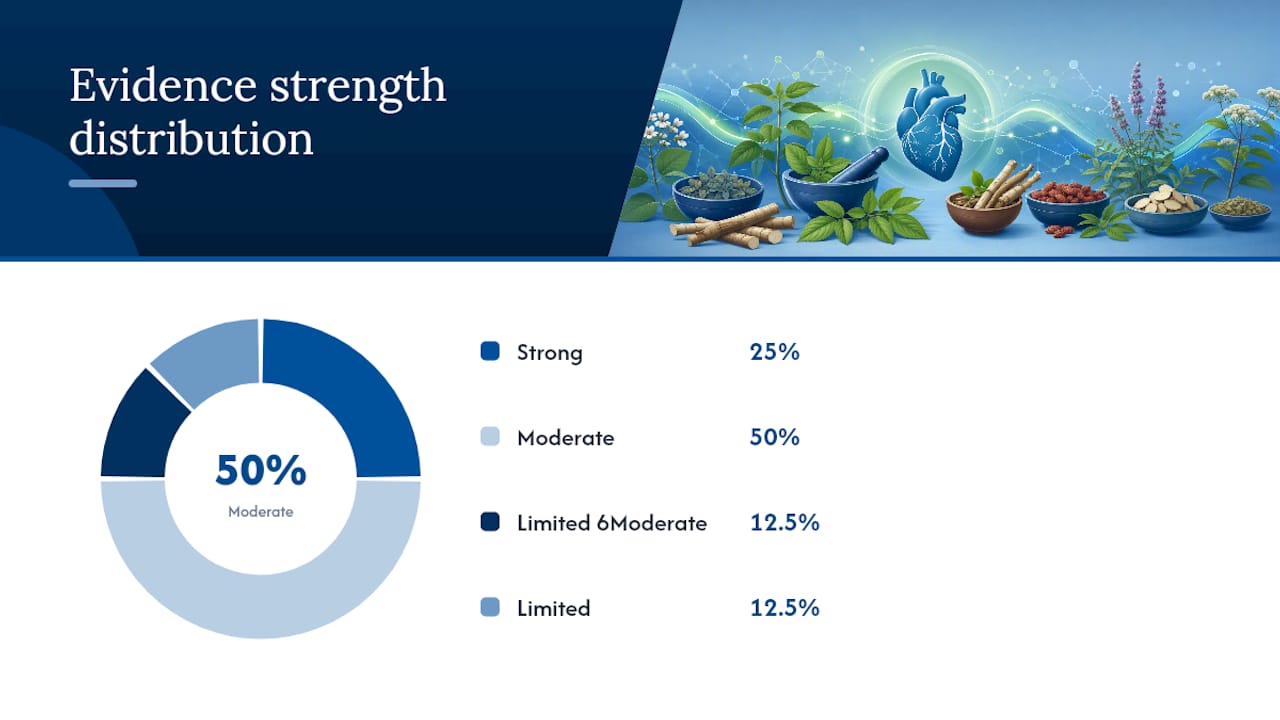
The eight herbs below represent the range of clinical support available, from well-replicated meta-analyses to promising but limited single trials. Evidence labels reflect the volume and quality of human data, not animal or in-vitro work alone.
| Herb | Evidence level | Typical study form | Safety note |
|---|---|---|---|
| Garlic (Allium sativum) | Strong | Aged garlic extract (AGE), standardized allicin capsule | May increase bleeding risk; caution with anticoagulants |
| Hibiscus (Hibiscus sabdariffa) | Strong | Standardized polyphenolic extract, hibiscus tea | May lower BP additively with antihypertensives |
| Celery seed (Apium graveolens) | Moderate | Seed extract capsule, whole seed | Diuretic-like action; monitor electrolytes |
| Cinnamon (Cinnamomum spp.) | Moderate | Standardized extract capsule, powder | High doses of cassia cinnamon may stress the liver |
| Cardamom (Elettaria cardamomum) | Moderate | Powder in food or capsule | Generally well tolerated; limited long-term data |
| Ginger (Zingiber officinale) | Limited–Moderate | Standardized extract capsule, fresh/dried root | Mild antiplatelet effect; caution with blood thinners |
| Basil (Ocimum basilicum) | Limited | Essential oil extract, fresh herb | Very limited human trial data; culinary use is safe |
| Hawthorn (Crataegus spp.) | Moderate | Standardized leaf/flower extract (or similar) | Additive effect with cardiac and antihypertensive drugs |
A broad review of medicinal plants covering garlic, celery, hibiscus, and several others confirms hypotensive potential across multiple mechanisms, while emphasizing that more rigorous clinical trials are still needed for several of these botanicals. Garlic and hibiscus consistently emerge as the two with the deepest human trial base.
A note on hawthorn for blood pressure: hawthorn berry and leaf extracts are well studied in the context of mild heart failure and early hypertension. Standardized extracts (often labeled by oligomeric proanthocyanidin or vitexin content) are what researchers use; loose hawthorn berry tea is a different product with less predictable potency.
How do these herbs actually lower blood pressure?
Several distinct biological pathways are at work, and most of them overlap with mechanisms targeted by pharmaceutical antihypertensives. That overlap is precisely why interactions matter.
- Nitric oxide (NO) upregulation: Garlic’s allicin metabolites, hibiscus polyphenols, and several other plant compounds stimulate endothelial NO production. More NO means smoother muscle relaxation in vessel walls and lower peripheral resistance. Mechanistic research confirms this pathway as a common thread across multiple herbs studied for cardiovascular effects.
- ACE-like inhibition: Some plant peptides and flavonoids appear to inhibit angiotensin-converting enzyme activity, the same target as lisinopril and enalapril. This reduces the production of angiotensin II, a potent vasoconstrictor.
- Calcium-channel–like effects: Celery seed extracts show calcium-channel–blocking activity in animal and small human studies, relaxing arterial smooth muscle in a manner similar to amlodipine, though at much lower potency.
- Diuretic action: Celery seed and parsley increase urinary output, reducing blood volume and, with it, pressure. This also raises the risk of electrolyte shifts, particularly with potassium-sparing diuretics.
- Antioxidant and anti-inflammatory pathways: Chronic oxidative stress damages endothelial cells and stiffens arteries. Cinnamon, ginger, cardamom, and hawthorn all carry antioxidant compounds that may reduce this damage over time, contributing to gradual BP improvement.
Mechanisms vary considerably by preparation and dose. A cup of hibiscus tea delivers far less polyphenol than the standardized extracts used in clinical trials. That gap matters when you are trying to replicate a study result.
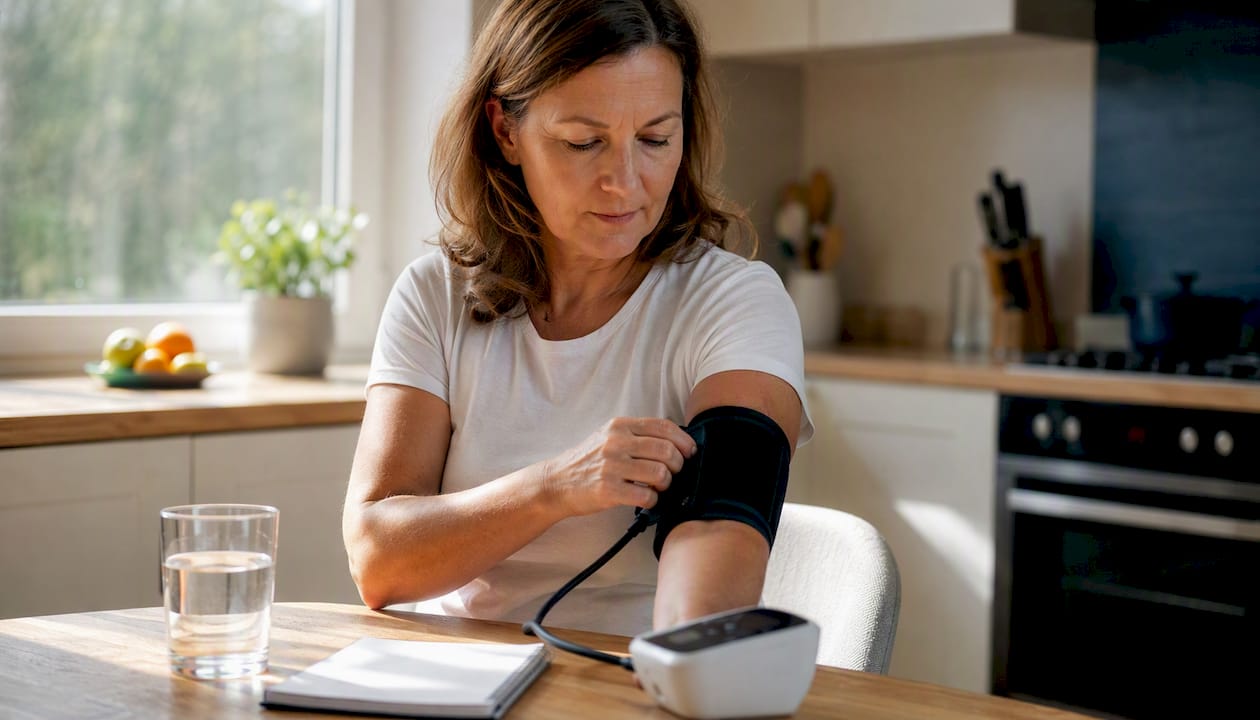
Pro Tip: Expect gradual change, not overnight results. Most trials showing meaningful BP reductions ran for 8–12 weeks or longer. Measure your blood pressure at the same time each day, after five minutes of seated rest, and log the readings so you and your clinician can see a real trend.
What clinical research actually shows
Herbs show modest but sometimes clinically meaningful reductions in systolic and diastolic blood pressure in people with elevated readings. The honest qualifier: evidence quality varies widely, and most trials are short, small, and conducted in populations with only mild hypertension.
The 84-day RCT of a polyphenolic hibiscus and Lippia citriodora extract is one of the cleaner trials in this space: randomized, double-blind, placebo-controlled, using ambulatory blood pressure monitoring in 80 subjects. The most noticeable SBP differences appeared around day 56, which aligns with the general expectation that herbal effects build over weeks, not days.
Cinnamon’s pooled numbers (~−6.2 mmHg SBP and ~−3.9 mmHg DBP) come from a meta-analysis of nine studies involving 641 participants, with the effect most pronounced at 12 weeks or more of consistent use. That is a clinically modest but real reduction, roughly comparable to what some lifestyle interventions achieve.
A comprehensive review comparing ten herbal medicines found garlic and hibiscus among those with the strongest clinical support, while several others, including resveratrol and some traditional botanicals, rely mainly on preclinical or small human data. The honest takeaway: the herb category is not monolithic. Some have real trial data; others are carried by reputation and animal studies.
Key limitations to keep in mind:
- Most trials use standardized extracts at doses far above what culinary use provides.
- Study populations skew toward mild, untreated hypertension, not people on multiple medications.
- Publication bias likely inflates positive findings.
- Follow-up periods rarely exceed six months, so long-term safety and sustained efficacy are largely unknown.
How to use these herbs safely: forms, dosing, and quality checks
The form you choose matters as much as the herb itself. Herbal efficacy depends heavily on extract quality and dose; many positive trials used standardized, quantified preparations rather than culinary amounts. A hibiscus tea bag and a standardized hibiscus polyphenol capsule are not interchangeable for therapeutic purposes.
Choosing the right form
Tea or infusion works well for hibiscus, where the anthocyanin content of a strong brew is meaningful. For garlic, ginger, and cinnamon, culinary use is a reasonable starting point, but the doses in trials typically exceed what most people eat daily. Standardized capsule or extract is the form used in most positive RCTs and gives you the most consistent, measurable dose. Look for the standardized marker compound on the label (e.g., allicin potential for garlic, oligomeric proanthocyanidins for hawthorn).
Product-quality checklist
Before buying any herbal supplement, run through these checks:
- Standardized extract percentage listed on the label (e.g., “standardized to 1.3% allicin” or “900 mg aged garlic extract”).
- Third-party testing certification: look for USP Verified, NSF International, or ConsumerLab approval seals.
- Clear dosing instructions with a specific amount per serving, not a vague “proprietary blend” with no individual amounts.
- Full ingredient list with no undisclosed fillers or allergens.
- Manufacturer transparency: a physical address, contact information, and a certificate of analysis available on request.
A stepwise approach
- Pick one herb at a time. Adding multiple herbs simultaneously makes it impossible to know what is working or causing side effects.
- Record your baseline blood pressure for 1–2 weeks before starting, using a validated home monitor at the same time each day.
- Start at the dose range used in clinical studies for that herb. Do not exceed it without clinician guidance.
- Recheck blood pressure weekly for the first month, then every two weeks.
- Watch for symptoms: dizziness, unusual fatigue, bruising, or GI upset.
- Report any BP changes, positive or negative, to your clinician before adjusting your prescription medications.
Pro Tip: Pairing herbs with proven lifestyle changes, such as a DASH-style diet, reduced sodium, regular aerobic exercise, and adequate sleep, can produce additive BP reductions. But the same additive logic applies to pharmacologic risk: if you are already on an antihypertensive and you add a vasodilatory herb, your BP may drop lower than either alone. Monitor closely and keep your clinician in the loop.
Safety, side effects, and drug interactions you need to know
“Natural” does not mean risk-free. Several of these herbs act through mechanisms close enough to pharmaceutical drugs that the interaction risk is real and clinically documented. Clinical researchers emphasize that patients who self-medicate with herbs without telling their prescribers sometimes end up with uncontrolled blood pressure, either from additive hypotension or from quietly stopping their prescribed medications.
Common side effects:
- Garlic: GI upset, heartburn, breath and body odor (especially with raw or high-dose preparations).
- Hibiscus: mild GI discomfort; rare reports of liver toxicity at very high doses.
- Cinnamon (cassia variety): liver stress with prolonged high-dose use due to coumarin content; Ceylon cinnamon carries less risk.
- Ginger: mild GI effects; antiplatelet activity at higher doses.
- Celery seed: diuretic effect, potential electrolyte shifts.
- Hawthorn: dizziness, GI upset, headache at higher doses.
Drug interactions to flag with your clinician:
- Additive hypotension: garlic, hibiscus, hawthorn, and celery seed can lower BP additively when combined with ACE inhibitors, ARBs, calcium-channel blockers, or thiazide diuretics. The result can be symptomatic low blood pressure.
- Bleeding risk: garlic has documented antiplatelet effects. Combined with warfarin, aspirin, clopidogrel, or other anticoagulants, the risk of bleeding increases.
- Electrolyte changes: herbs with diuretic-like actions (celery seed, parsley) may alter potassium levels, which matters if you are on potassium-sparing diuretics or digoxin.
- Hawthorn and cardiac drugs: hawthorn can interact with digoxin and phosphodiesterase inhibitors; the combination requires monitoring.
Special cautions:
- Pregnancy and lactation: most of these herbs lack safety data in pregnancy. Several (including high-dose ginger and celery seed) are contraindicated or require medical clearance.
- Pre-surgery: stop garlic, ginger, and hawthorn supplements at least two weeks before any surgical procedure because of bleeding and anesthetic interaction risks.
- Unstable or severe hypertension: herbs are not appropriate as the primary treatment when BP is consistently above 160/100 mmHg or when readings are volatile. This is a medical situation requiring prescription management.
Do not stop your prescribed blood pressure medication to try an herbal remedy. Herbs may complement your treatment plan, but abruptly discontinuing antihypertensives can cause dangerous BP rebound. Any change to your medication regimen must be made with your prescribing clinician, not based on a supplement label or online article.
When should you consult a healthcare provider?
Some situations call for a clinician visit before you try anything herbal, and others require urgent care.
Go to the emergency room or call 911 if you experience:
- A blood pressure reading of 180/120 mmHg or higher, especially with symptoms.
- Chest pain, shortness of breath, sudden severe headache, or vision changes.
- Signs of stroke: facial drooping, arm weakness, slurred speech.
Schedule a clinician visit if you notice:
- Dizziness, lightheadedness, or fainting after starting an herbal supplement.
- Easy bruising or unusual bleeding.
- Rapid or irregular heartbeat.
- Consistent BP readings outside your target range despite medication.
- Any unexpected change in how your prescription medications seem to be working.
What to bring to your appointment:
- The supplement label (or a photo of it), including the dose and frequency you are taking.
- A log of your home BP readings with dates and times.
- A complete list of all medications, vitamins, and supplements.
- Your relevant medical history, including any kidney, liver, or cardiovascular conditions.
Shared decision-making works best when your clinician knows the full picture. Discuss your goal BP, a realistic monitoring plan, and whether trialing a standardized herbal supplement makes sense given your specific medications and health status. Some clinicians are comfortable co-managing; others will want to rule out secondary causes of hypertension first.
The case for evidence-forward, cautious optimism
The clinical literature on herbal remedies for hypertension is genuinely promising in places, particularly for garlic and hibiscus, and genuinely thin in others. What strikes me most about this body of research is how consistently the positive results cluster around one variable: preparation quality. The trials that show real BP reductions almost always used standardized extracts with defined active-compound content, not generic powders or teas. That detail gets buried in popular coverage, which tends to treat “garlic lowers blood pressure” as a flat fact rather than a dose- and preparation-dependent finding.
The other thing worth saying plainly: herbs as adjuncts to a well-managed lifestyle and, when needed, prescription therapy make sense. Herbs as a replacement for prescribed medications, or as a reason to delay seeing a clinician, do not. The evidence does not support that use, and the interaction risks make it genuinely dangerous for some people.
This article is for general informational purposes only and is not a substitute for professional medical advice. Always consult a qualified healthcare provider before starting any herbal supplement, especially if you take prescription medications or have a diagnosed medical condition.
Longevitypremier’s blood pressure support formula
If you have done the research and want a standardized, quality-controlled option rather than piecing together individual herbs from multiple sources, Longevitypremier’s Blood Pressure Formula is worth a close look. It is formulated with ingredient transparency as a baseline, meaning the label tells you exactly what is in each serving and at what amount, which is the minimum standard the clinical literature supports for any herbal intervention to be meaningful.

Longevitypremier draws on more than 30 years of healthcare practice experience in developing its formulations, and its manufacturing approach aligns with the product-quality checklist this article outlines: standardized extracts, clear dosing, and full ingredient disclosure. As with any supplement, use it alongside, not instead of, your prescribed medications, and discuss it with your clinician before starting.
You can explore the full product line and download a free educational resource on supplement selection at the Longevitypremier site, or go directly to Longevitypremier to review the Blood Pressure Formula and its ingredient profile.
Sources
- Role of natural herbs in the treatment of hypertension — PMC (Nahida Tabassum et al.)
- 10 Spices And Herbs That May Help Lower High Blood Pressure — Healthline
- Comparison Among Garlic, Berberine, Resveratrol, Hibiscus sabdariffa, Genus Zizyphus, Hesperidin, Red Beetroot, Catha edulis, Portulaca oleracea, and Mulberry Leaves in the Treatment of Hypertension and Type 2 DM: A Comprehensive Review — SAGE Journals