


Key takeaways
- Free radicals are molecules with an unpaired electron, which makes them reactive. Your cells make them all day long, mostly while turning food and oxygen into energy.
- They also do useful work. Immune cells use them to destroy germs. Cells use them as signals, and working muscles need low levels of them to produce normal force.
- Oxidative stress means the balance has tipped toward too many of them. Your main defense is a team of enzymes your body makes itself. Glutathione and minerals such as selenium help that team.
- Food adds vitamins C and E, carotenoids and polyphenols. A lab survey of more than 3,100 foods found the richest samples of all among spices, herbs and supplements.
- Everyday habits keep the system supplied. Protein, selenium-rich foods and a colorful plate all play a part, and a supplement can add to that base.
A reactive molecule with a day job
Somewhere in your body right now, a white blood cell is swallowing a microbe. As it does, an enzyme in the cell fires off a burst of superoxide, a free radical. The superoxide quickly becomes hydrogen peroxide, which another enzyme turns into hypochlorous acid. That is a close chemical cousin of household bleach, and it helps destroy the germ.[1]
You often hear about these molecules only as a source of harm. The real story is about balance. Your body makes them on purpose, puts them to work and keeps them in check.
This guide explains free radicals in plain language and the useful jobs they do. You will learn what "oxidative stress" means, how your body's own defense enzymes work and what food adds. You will also see how scientists measure antioxidants in food. Last, you will see how botanical extracts relate to food and what their labels show.
Free radicals in plain language
Electrons like to travel in pairs. A free radical is a molecule with at least one unpaired electron. That makes it reactive. It tends to grab an electron from whatever is nearby, which can set off a chain reaction.[2]
Scientists call free radicals and a few close relatives "reactive oxygen species." The main ones in the body are superoxide, hydrogen peroxide and the hydroxyl radical. Hydrogen peroxide is not a true radical, but it can form one.[2]
Most of them come from daily life. Your mitochondria are the tiny power plants inside your cells. As they make energy, about 1 to 3 percent of the electrons they handle leak out and form superoxide. Smoke, ozone in polluted air and radiation add more.[2]
If they pile up, free radicals can damage proteins, DNA and the fats in cell membranes. When they attack fats, one leftover is malondialdehyde (MDA). Researchers use it as a marker of that damage.[2]
The useful jobs free radicals do
Free radicals and their relatives also do needed work. You have already met one job: helping immune cells destroy germs.[1]
They also carry messages. At low levels, hydrogen peroxide acts as a signal inside cells. More than 40 enzymes make hydrogen peroxide and superoxide on purpose. These signals help cells adjust and respond to stress. Researchers call this healthy level "oxidative eustress." They call the harmful excess "oxidative distress."[3]
They matter in your muscles, too. Working muscles make reactive oxygen species as they contract. At low, everyday levels, these molecules are needed for muscles to produce normal force. They also switch on genes for antioxidant enzymes, stress proteins and parts of the energy machinery in mitochondria. Researchers are still mapping how these signals help muscles adapt to training.[4]
What oxidative stress means
Scientists first described oxidative stress in 1985.[5] The idea is simple. Your body keeps a running balance between reactive molecules and the antioxidants that hold them in check. Oxidative stress means the balance has tipped toward the reactive side. Either too many are being made, or defenses are running low.[2]
When that happens, cells respond. They switch genes on and off to make more protective enzymes and bring the balance back.[2]
The idea has grown into a whole field of research called redox biology. By early 2015, about 138,000 entries in PubMed, the main index of medical research, used the term. One area in full bloom is the study of molecular "master switches," such as one called Nrf2. A single signal at one of these switches can turn on a whole set of protective enzymes.[5]
Your body's own antioxidant team
According to Sies, enzymes carry the main load of antioxidant defense.[5] Three enzymes do much of that work.
| Enzyme | What it does | Nutrient connection |
|---|---|---|
| Superoxide dismutase (SOD) | Turns superoxide into hydrogen peroxide | Main forms use copper and zinc, or manganese [2] |
| Catalase | Breaks hydrogen peroxide down into water | Built around a heme group that holds iron [2] |
| Glutathione peroxidase | Uses glutathione to turn hydrogen peroxide and damaged fats into harmless ones | Needs selenium [6] |
The three work like a relay. SOD handles superoxide first. That makes hydrogen peroxide, which catalase and glutathione peroxidase then turn into water.[2]
Selenium is a clear link between your diet and this team. It is part of 25 proteins in the body, including the glutathione peroxidases. Adults need 55 micrograms (mcg) a day, and the upper limit for adults is 400 mcg.[6]
Brazil nuts, seafood, meat, poultry and organ meats are the richest food sources of selenium. Cereals, grains, dairy foods and eggs add more. In plant foods, the amount depends on how much selenium is in the soil where they grew. A single Brazil nut can hold 68 to 91 mcg, more than a full day's need.[6]
Then there is glutathione, the main small antioxidant inside your cells.[2] Your body builds it from three amino acids: glutamate, cysteine and glycine. How much it can make depends largely on cysteine, which comes from the protein you eat.[7] Glutathione also helps restore vitamins C and E after they have done their job.[2] Your liver uses it in its daily processing work too, as our guide to your body's natural detox processes explains.
What food adds
Food adds helpers that work alongside your enzymes. Here are the main groups.
Vitamin C dissolves in water. It helps protect cells from free radical damage, and it helps recycle vitamin E.[8][2] It also helps your body absorb iron from plant foods. Good sources include citrus fruits, red and green peppers, kiwifruit, broccoli, strawberries, cantaloupe and tomatoes. Long storage and cooking can cut the vitamin C in food, and steaming or microwaving may lessen the loss. Adults need 75 mg (women) or 90 mg (men) a day. People who smoke need 35 mg more. The daily upper limit for adults is 2,000 mg from food, drinks and supplements combined. Going above it can cause diarrhea, nausea and stomach cramps.[8]
Vitamin E dissolves in fat. It sits inside cell membranes, where it is the main defense against damage to those fats.[2] The name covers eight related compounds in food, including alpha-tocopherol. Good sources include wheat germ, sunflower and safflower oils, almonds, peanuts, hazelnuts and sunflower seeds. Spinach and broccoli add smaller amounts. Adults need 15 mg a day. For vitamin E from supplements, the adult upper limit is 1,000 mg a day. High doses may raise the risk of bleeding, more so for people who take blood thinners.[9]
Carotenoids are plant pigments. Beta-carotene is the best known. They react with several kinds of free radicals and act as antioxidants when oxygen levels are low.[2]
Polyphenols are a large family of plant compounds. You find them in apples, berries, citrus fruit, plums, broccoli, cocoa, tea and coffee. Examples include flavanols in cocoa and tea, hesperidin in citrus and anthocyanins in berries. Gut bacteria help the body absorb and use many of them.[10]
Researchers are still exploring how polyphenols act in the body. One idea they have proposed is that these compounds prompt cells to keep their own protective enzymes switched on, through the Nrf2 switch you met above.[11]
Measuring antioxidants in food
Scientists use several lab tests to measure how much antioxidant capacity a food sample holds. ORAC and FRAP are two of them. Foods tend to rank in a similar order whichever test is used.[12]
One of the largest surveys used the FRAP test on 3,139 foods, drinks, spices, herbs and supplements. Researchers bought samples in stores and markets on several continents over eight years, picked some berries and herbs by hand, and published the results in 2010. Plant foods were generally far richer in antioxidants than animal foods. The richest samples of all, gram for gram, were found among spices, herbs, traditional plant medicines and supplements. Many of the 131 supplements tested scored high, including products with anthocyanins, vitamin C or green tea powder. Among everyday foods, berries, fruits, nuts, chocolate and vegetables ranked high.[12]
The kitchen details are useful too. Dried herbs scored higher than fresh ones, since drying leaves most of these compounds in place. Among spices, cloves ranked first, followed by peppermint, allspice and cinnamon. Chocolate scored higher as its cocoa share rose. Walnuts, peanuts, hazelnuts and almonds scored higher with their thin skins left on, and berry jams held about half as much as fresh berries. Coffee and tea, the world's most popular drinks after water, are important sources in many diets.[12]
Think of a list like this as a map of which plant foods are rich in these compounds. The researchers built theirs as a tool for nutrition studies, and it also makes a handy guide when you fill a grocery cart.
Everyday sources of antioxidants
These foods fit easily into an ordinary day. Picture berries at breakfast, a pepper and tomato salad at lunch, a cup of tea in the afternoon and a turmeric curry at dinner. Here are the main places to look:
- Citrus, red and green peppers, kiwifruit, strawberries and tomatoes for vitamin C.
- Nuts, seeds and plant oils for vitamin E.
- Berries, apples, plums, onions and broccoli for polyphenols.
- Tea and coffee, which also supply polyphenols. Both count toward your daily fluid, as our guide to coffee, tea and fluid intake explains.
- Herbs and spices, which rank among the richest foods gram for gram in lab tests. Dried ones count. Our turmeric guide looks at one favorite in depth.
- Cocoa and chocolate in modest amounts.
- Seafood, eggs and the occasional Brazil nut for selenium.
- Protein foods, which supply the cysteine your body uses to make glutathione.
Plant extracts and what their labels show
Some of the plant compounds in this guide also come in concentrated form. A botanical extract starts with a leaf, fruit, peel or root and draws out part of what it holds.
A few familiar botanicals show the range:
- Acai is the round, dark purple fruit of a palm tree native to tropical Central and South America. It grows widely in the Brazilian Amazon, where it has long been an important food for Indigenous people. Acai products have since become popular in the United States.[13]
- Green tea comes from the leaves of Camellia sinensis, the same plant used for black and oolong tea. For green tea, the leaves are steamed, pan fried and dried without fermenting. The tea plant was first grown in China thousands of years ago. Green tea contains catechins and caffeine.[14]
- Cocoa beans supply flavanols, the same family found in tea.[10]
Our guide to green tea extract, acai and botanical antioxidant compounds goes deep on what is inside them.
If you choose a botanical supplement, a few label details help you compare. You may see the plant's Latin name and the part used, whether the capsule holds a whole herb powder or an extract, and how many milligrams make a serving. If an extract is labeled standardized, you may see the compound it names and the percentage. Our guide to standardized extracts and whole herb powders explains what that number can tell you. In a formula with several botanicals, you may see them grouped in a blend with one total amount. Our guide to reading a supplement label explains how those labels are set out. For green tea extract, the label may also say whether it is decaffeinated.
Picture where it fits in an ordinary day, with a capsule taken around breakfast and a cup of tea in the afternoon light. Whatever you choose belongs with a colorful plate, enough protein, water and movement.
Before you start
- Read the full label and follow the directions.
- Check with your doctor or pharmacist first if you take prescription medicine, are pregnant or nursing, or have a health condition.
- Green tea extract can contain caffeine.[14] Count it if you limit caffeine.
- If you also take a multivitamin or a separate vitamin C or E, add up your daily totals and stay under the upper limits above.
- If you take a blood thinner, ask your pharmacist before adding a vitamin E supplement.[9]
When to see a clinician
Talk with a health care professional promptly if you notice:
- a rash, hives, itching or swelling after starting something new
- stomach upset that doesn't settle
- any new symptom that started after a new supplement or medicine
A pharmacist or registered dietitian can also help you add up vitamins and minerals across everything you take.
Frequently asked questions
Are free radicals bad for you?
Not on their own. Your body makes them on purpose to destroy germs and to send signals inside cells. Oxidative stress describes what happens when production outpaces your defenses.
What's the best way to get antioxidants?
Food comes first. A colorful mix of fruits, vegetables, tea, spices, nuts and protein gives you vitamins, polyphenols and the raw materials your enzymes need. A supplement can add to that foundation.
What do lab antioxidant scores measure?
They measure how much antioxidant capacity a food sample shows in the lab. ORAC and FRAP are two common tests, and foods tend to rank in a similar order on both. Researchers use the rankings to compare foods and to estimate how many antioxidants a diet contains.[12]
Do dried herbs and spices count?
Yes. In a large lab survey, dried herbs and spices ranked among the richest foods gram for gram, and drying left most of their antioxidants in place. You use them in small amounts, but the researchers noted they may still add a good share to your intake if you cook with them often.[12]
How do I keep vitamin totals in range?
Add up what you get from fortified foods, a multivitamin and any single vitamins. For adults, the upper limit for vitamin C is 2,000 mg a day from all sources. For vitamin E from supplements, it is 1,000 mg a day.[8][9] A pharmacist can help you check.
The short version
Free radicals are reactive molecules your body makes every day, mostly while producing energy. They help immune cells destroy germs, carry signals inside cells and play a part in how working muscles produce force. Oxidative stress means the balance has tipped toward too many of them. Your main defense is your own team of enzymes, backed by selenium, protein and other nutrients. Food adds vitamins C and E, carotenoids and polyphenols. In a large lab survey, the richest samples came from spices, herbs and supplements, and berries, nuts, chocolate and vegetables led everyday foods. A colorful plate, enough protein and a supplement taken as the label directs all fit into that routine.
This article is for general education. It is not medical advice, and nothing here is intended to diagnose, treat, cure or prevent any disease. If you take prescription medicines, are pregnant or breastfeeding, or have a medical condition, talk with your doctor or pharmacist before starting any supplement, and never stop or change a prescribed medicine on the basis of general information.
Sources
- Winterbourn CC, Kettle AJ, Hampton MB. Reactive oxygen species and neutrophil function. Annu Rev Biochem. 2016;85:765-792. https://pubmed.ncbi.nlm.nih.gov/27050287/
- Birben E, Sahiner UM, Sackesen C, Erzurum S, Kalayci O. Oxidative stress and antioxidant defense. World Allergy Organ J. 2012;5(1):9-19. https://pmc.ncbi.nlm.nih.gov/articles/PMC3488923/
- Sies H, Jones DP. Reactive oxygen species (ROS) as pleiotropic physiological signalling agents. Nat Rev Mol Cell Biol. 2020;21(7):363-383. https://pubmed.ncbi.nlm.nih.gov/32231263/
- Powers SK, Ji LL, Kavazis AN, Jackson MJ. Reactive oxygen species: impact on skeletal muscle. Compr Physiol. 2011;1(2):941-969. https://pmc.ncbi.nlm.nih.gov/articles/PMC3893116/
- Sies H. Oxidative stress: a concept in redox biology and medicine. Redox Biol. 2015;4:180-183. https://pmc.ncbi.nlm.nih.gov/articles/PMC4309861/
- NIH Office of Dietary Supplements. Selenium: Fact Sheet for Health Professionals. https://ods.od.nih.gov/factsheets/Selenium-HealthProfessional/
- Lu SC. Glutathione synthesis. Biochim Biophys Acta. 2013;1830(5):3143-3153. https://pmc.ncbi.nlm.nih.gov/articles/PMC3549305/
- NIH Office of Dietary Supplements. Vitamin C: Fact Sheet for Consumers. https://ods.od.nih.gov/factsheets/VitaminC-Consumer/
- NIH Office of Dietary Supplements. Vitamin E: Fact Sheet for Consumers. https://ods.od.nih.gov/factsheets/VitaminE-Consumer/
- Williamson G. The role of polyphenols in modern nutrition. Nutr Bull. 2017;42(3):226-235. https://pmc.ncbi.nlm.nih.gov/articles/PMC5601283/
- Forman HJ, Davies KJA, Ursini F. How do nutritional antioxidants really work: nucleophilic tone and para-hormesis versus free radical scavenging in vivo. Free Radic Biol Med. 2014;66:24-35. https://pmc.ncbi.nlm.nih.gov/articles/PMC3852196/
- Carlsen MH, Halvorsen BL, Holte K, et al. The total antioxidant content of more than 3100 foods, beverages, spices, herbs and supplements used worldwide. Nutr J. 2010;9:3. https://pmc.ncbi.nlm.nih.gov/articles/PMC2841576/
- National Center for Complementary and Integrative Health. Açaí. Last updated November 2024. https://www.nccih.nih.gov/health/acai
- National Center for Complementary and Integrative Health. Green Tea. Last updated February 2025. https://www.nccih.nih.gov/health/green-tea
Product information
Facts from the product pages. Before using any supplement, read the full label, directions and cautions on the product page, and check with your doctor or pharmacist if you take medicines, are pregnant or nursing, or have a health condition.
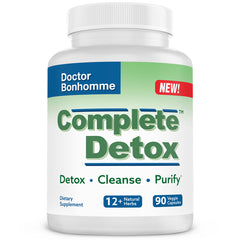
Longevity Complete Detox (Day Formula)
- Size
- 90 capsules · 30 servings
- Directions
- 3 capsules once daily
- Ingredients
- A botanical and fiber based formula containing ingredients including psyllium husk, green tea extract, dandelion extract and acai.
- Routine
- Designed for a simple daytime wellness routine.
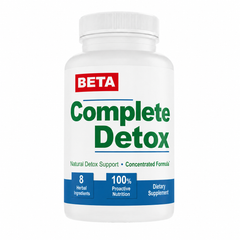
Longevity Complete Detox [BETA]
- Size
- 21 capsules · 7 servings
- Directions
- 3 capsules once daily
- Ingredients
- Contains botanical ingredients including milk thistle, psyllium, ginger, turmeric, acai and aloe vera.
- Routine
- Designed as a defined 7 day wellness routine.


