


![Longevity Complete Detox [BETA 21 Caps]: 7 Day Intensive Detox & Digestive Support](http://longevitypremier.com/cdn/shop/files/DetoxBeta-mid_100x100.png?v=1787365739)




4 Safety Checks Before You Take Milk Thistle for Liver
Milk thistle may support normal liver function through its antioxidant compound silymarin, but clinical trials on treating actual liver disease remain mixed and inconclusive. It’s generally well tolerated for most healthy adults. Anyone with liver disease, on prescription medications, pregnant, or managing a chronic condition should talk to a clinician before starting it, and should choose a standardized, third-party tested product.
TL;DR:
- Short-term studies have shown enzyme level improvements with higher doses of silymarin, but these effects are often not sustained over longer periods.
- Clinical trials have not conclusively demonstrated that milk thistle reliably reverses or significantly improves chronic liver disease.
- IV silibinin is used as an emergency treatment for mushroom poisoning in Europe, but this does not support oral use for liver conditions.
- Milk thistle is generally safe with minor side effects, but it may cause allergic reactions in people allergic to plants in the Asteraceae family.
- Use caution and consult a healthcare provider before starting milk thistle if managing medications, pregnancy, or known liver or hormone-sensitive conditions.
Table of Contents
- What the Research Says About Milk Thistle and Liver Health
- How Silymarin Works Inside the Liver
- Milk Thistle Side Effects and Who Should Avoid It
- Milk Thistle Dosage and How to Choose a Quality Product
- Using Milk Thistle Safely: A Practical Checklist
- A Formulator’s Take on Milk Thistle and Realistic Expectations
- Sources
- FAQ
What the Research Says About Milk Thistle and Liver Health
Decades of interest in milk thistle have not produced a clean answer. Systematic reviews and randomized controlled trials looking at silymarin for hepatitis, alcohol-related liver conditions, and nonalcoholic fatty liver disease consistently land in the same place: results are mixed, and no trial has established that milk thistle reliably changes the course of chronic liver disease. The NCCIH funded two studies specifically to settle the question for hepatitis C and NASH, and neither showed a clear benefit.
That doesn’t mean every trial came up empty. Some studies have reported meaningful shifts in liver enzymes like ALT and AST, especially in shorter trials using higher doses. One study looked at patients scheduled for bariatric surgery who took milk thistle powder for eight weeks and found measurable changes in fatty liver markers, though the improvement didn’t consistently show up on tissue biopsy, which is the gold standard for confirming disease-level change. That gap between “the numbers moved” and “the tissue changed” shows up again and again in this research.
There’s one clear exception worth knowing about. Intravenous silibinin, a purified and concentrated form of silymarin, is used in parts of Europe as an emergency treatment for Amanita phalloides mushroom poisoning. That’s a very different scenario from an oral capsule taken daily. The NCI’s clinical summary is clear that this IV, high-dose emergency use doesn’t translate into evidence supporting oral supplements for chronic liver conditions.
A few patterns show up across the trial data worth understanding before you draw conclusions:
- Trial doses varied widely, spanning from lower to higher amounts of silymarin taken multiple times a day.
- Short-term studies (weeks) sometimes showed enzyme improvement; longer studies often didn’t sustain it.
- Endpoints differed by trial. Some measured lab values like ALT and AST, others measured liver tissue directly, and a few tracked patient-reported symptoms.
- Study quality varied, with inconsistent standardization of the silymarin extract used from one trial to the next.
The Mayo Clinic’s summary puts it plainly: research on milk thistle for liver disease shows mixed results, even as the supplement carries a long history of traditional use. The European Medicines Agency reached a similar conclusion, recognizing centuries of traditional use for digestive complaints and for supporting normal liver function, while stating that clinical evidence isn’t strong enough to back firm therapeutic claims. Traditional use and clinical proof are two different standards, and it’s worth knowing which one a claim is resting on.
How Silymarin Works Inside the Liver
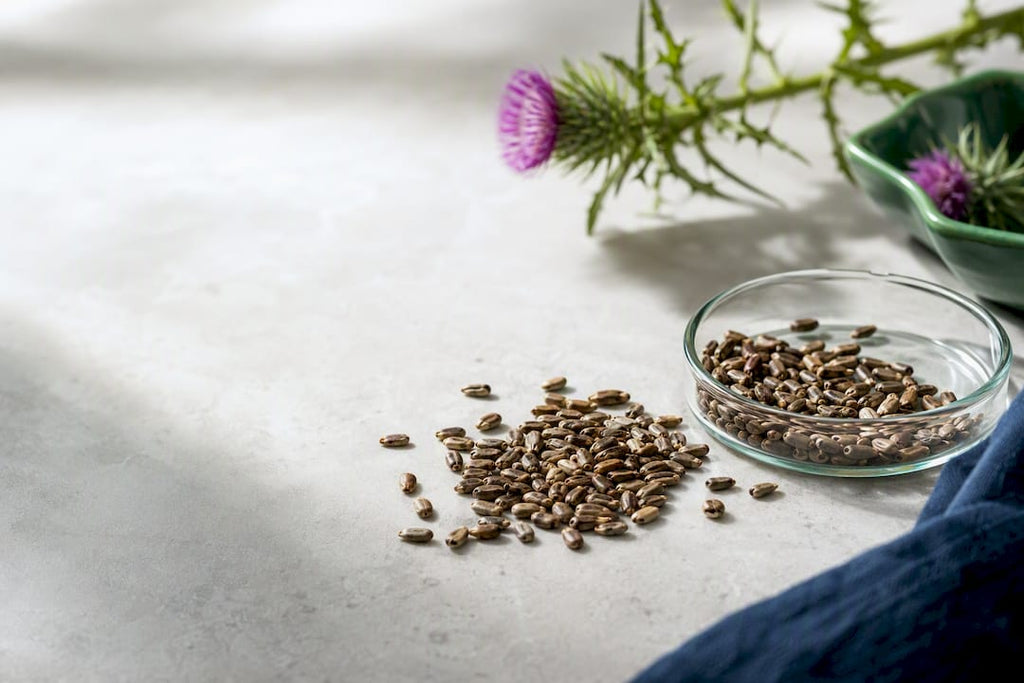
Silymarin isn’t a single compound. It’s a group of plant compounds called flavonolignans, extracted from milk thistle seeds, with silybin as the dominant and most studied component. In laboratory and animal research, silymarin behaves like a strong antioxidant, neutralizing free radicals and helping preserve levels of glutathione, one of the liver’s own primary detoxification molecules.
Beyond antioxidant activity, lab studies show silymarin interacting with inflammatory signaling pathways and, in some animal models, showing antifibrotic activity, meaning it appears to interfere with the scarring process that damaged liver tissue can undergo. These are genuinely interesting mechanisms, and they’re the reason milk thistle earned scientific attention in the first place.
The problem is translation. Achieving the tissue concentrations that produced protective effects in animal models would often require oral doses far higher than what a typical supplement bottle provides. Silymarin also absorbs poorly on its own, which is part of why so many human trials fail to reproduce the dramatic effects seen in a petri dish or a rodent study. Promising mechanism doesn’t automatically mean proven outcome, and milk thistle is a clear example of that gap.
Milk Thistle Side Effects and Who Should Avoid It
Milk thistle has a strong safety reputation, and for good reason. LiverTox rates it as unlikely to cause clinically apparent liver injury, which is a notably clean safety record for any supplement. Most people who take it report nothing more than minor issues.
Common side effects reported in clinical data include:
- Mild digestive upset, including bloating, gas, or loose stools
- Headache
- Occasional skin rash or itching
- Rare allergic reactions in sensitive individuals
That last point deserves attention. Milk thistle belongs to the Asteraceae plant family, which also includes ragweed, daisies, marigolds, and chrysanthemums. People with known allergies to those plants face a higher risk of allergic reaction to milk thistle, ranging from mild skin irritation to rare but more serious hypersensitivity responses.
There’s also a theoretical estrogenic effect worth flagging. Some lab research suggests silymarin may have weak estrogen-like activity, which raises a reasonable caution for anyone managing a hormone-sensitive condition, such as certain breast, uterine, or ovarian conditions. This isn’t settled science, but it’s a legitimate reason to loop in a clinician rather than guess.
Pro Tip: If you have a known ragweed or daisy allergy, mention it before your provider even asks. It’s the single fastest way to flag whether milk thistle is a reasonable option for you.
Talk to a healthcare provider before starting milk thistle if you’re pregnant or breastfeeding, currently managing liver disease of any kind, undergoing cancer treatment, taking anticoagulants like warfarin, managing diabetes with medication, or taking any drug metabolized by the liver’s CYP enzyme system. “Natural” doesn’t mean risk-free when it comes to how a supplement interacts with your existing medications.

Milk Thistle Dosage and How to Choose a Quality Product
Clinical trials on milk thistle dosage for liver support have used a range of amounts of silymarin daily, often split into two or three doses rather than taken all at once. There’s no single, universally agreed-upon dose, which is part of why comparing studies against each other is so difficult.
You’ll find milk thistle sold in a few different formats:
- Standardized extract capsules. These list a guaranteed percentage of silymarin, typically 70 to 80 percent, and are the form most clinical trials actually used.
- Whole-plant or crude powder. Less concentrated and less predictable, since silymarin content in raw seed can vary considerably.
- Liquid tinctures and extracts. Convenient for some, but potency and standardization are harder to verify without lab documentation.
Because milk thistle supplements aren’t regulated the same way medications are, quality varies a lot from brand to brand. The NCCIH notes that lab analyses have found real gaps between what’s printed on some labels and what’s actually inside the bottle, along with occasional contamination concerns.
Before you buy, check for a few specific things:
- A clearly stated standardized silymarin percentage, not just “milk thistle extract” with no number attached
- Third-party testing from an independent lab, such as USP, NSF, or ConsumerLab verification
- A publicly available Certificate of Analysis (COA) confirming potency and purity
- Manufacturing transparency, including sourcing and batch testing practices
A product like Longevity Premier’s milk thistle reflects that kind of standardized, quality-first approach, giving you a concrete potency figure to evaluate rather than a vague marketing claim.
Using Milk Thistle Safely: A Practical Checklist
Starting any new supplement works better with a plan than with guesswork. Here’s a sensible sequence for milk thistle specifically.
Talk to your clinician or pharmacist first, especially if you take any prescription medication. Milk thistle can influence how the liver’s CYP enzyme system metabolizes certain drugs, which matters most for anticoagulants like warfarin, some diabetes medications, and protease inhibitors used in HIV treatment. Start at the lower end of studied doses rather than jumping to the highest amount you find online, and give it a few weeks before judging whether it’s doing anything noticeable. If your provider is already monitoring liver enzymes for another reason, ask whether it makes sense to keep tracking those numbers while you’re taking it.
- Confirm with your provider that milk thistle won’t interact with your current medications.
- Choose a standardized extract with a stated silymarin percentage and a COA.
- Start at a modest, studied dose rather than the highest one you can find.
- Watch for new digestive symptoms, rash, or unusual fatigue, and stop if they appear.
Pro Tip: Keep a simple two-week symptom log when you start any new supplement. It’s the easiest way to tell whether something is actually helping or just coincidence.
Stop and contact your provider if you notice yellowing skin or eyes, dark urine, unusual bruising, or worsening abdominal pain. These aren’t expected reactions to milk thistle, but any new symptom involving the liver deserves prompt medical attention regardless of the cause. As for timelines, don’t expect fast, dramatic change. Most trials that showed any enzyme shift took at least four to eight weeks, and diet, alcohol moderation, and physical activity still do more heavy lifting for long-term liver wellness than any single supplement.
A Formulator’s Take on Milk Thistle and Realistic Expectations
Some approaches to formulation draw on extensive healthcare practitioner experience, and that background shapes how milk thistle is approached as an ingredient. The honest read on the evidence is this: silymarin has real, interesting biology behind it, but it hasn’t earned the right to be called a fix for liver disease, and it shouldn’t be marketed that way.
What it can reasonably do is support normal liver function as one piece of a broader wellness routine, alongside the diet and lifestyle choices that carry the most weight. That’s why we prioritize standardized, tested formulations over vague extract claims. Supplements work best as support, not substitutes for medical care.
— Charles
This article is general information, not a substitute for advice from a qualified doctor. Consult a qualified healthcare professional about your own circumstances before acting on anything here.
Sources
- Milk Thistle: Usefulness and Safety | NCCIH
- Milk thistle | Mayo Clinic
- Milk Thistle (PDQ®) - NCI / LiverTox content
- Effect of 8 Weeks milk thistle powder (silymarin extract) supplementation on fatty liver disease in patients candidates for bariatric surgery
- Milkthistle fruit: summary of opinion (EMA)
FAQ
Does Milk Thistle Really Help Repair the Liver?
There’s no reliable clinical evidence that milk thistle repairs liver tissue or reverses liver disease. Trials on hepatitis, fatty liver, and alcohol-related liver conditions show mixed and inconsistent results, though some short-term studies found modest improvements in liver enzyme levels.
What Are the Negative Side Effects of Milk Thistle?
Milk thistle is generally well tolerated, with the most common side effects being mild digestive upset, headache, and occasional skin rash. People allergic to ragweed, daisies, or related Asteraceae plants face a higher risk of allergic reaction, and it’s rated unlikely to cause clinically apparent liver injury on its own.
How Long Does It Take Milk Thistle to Improve Your Liver?
There’s no confirmed timeline because clinical trials haven’t consistently shown that milk thistle improves liver disease. Studies that did report enzyme changes typically used several weeks of supplementation, so anyone trying it should set modest expectations rather than expecting fast results.
Who Cannot Take Milk Thistle?
People who are pregnant or breastfeeding, managing hormone-sensitive conditions, taking anticoagulants or CYP-metabolized medications, or living with diagnosed liver disease should consult a healthcare provider before use. Anyone with a known allergy to ragweed, daisies, or chrysanthemums should also check with a provider first given the shared plant family.