


![Longevity Complete Detox [BETA 21 Caps]: 7 Day Intensive Detox & Digestive Support](http://longevitypremier.com/cdn/shop/files/DetoxBeta-mid_100x100.png?v=1787365739)




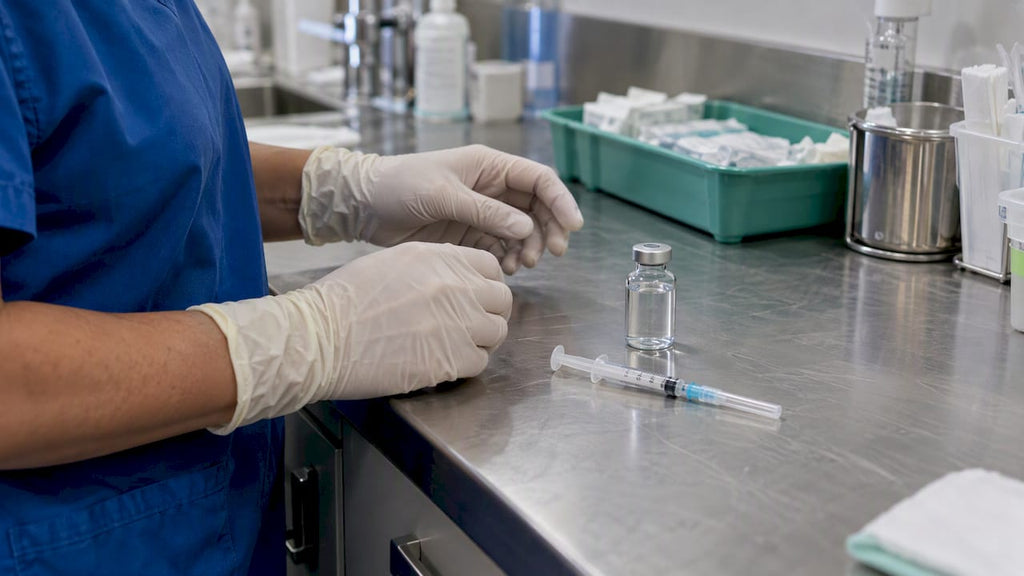
Glutathione Detox: Multiple FDA Recalls Expose IV Risks, Try NAC
Glutathione is a central cellular antioxidant that supports liver detoxification pathways, and small human trials show modest, promising signals like ALT reductions in people with fatty liver disease. The evidence base remains limited to pilot-sized studies, and safety concerns around injectable and compounded glutathione are real. For most people, precursors like NAC, evidence-backed oral formulations, and a conversation with a clinician are the safer starting point.
TL;DR:
- Oral glutathione faces significant breakdown in the gut, making formulations like liposomal or sublingual delivery more effective for increasing systemic levels.
- Intravenous glutathione carries sterilization and contamination risks due to poor regulation of supplement-grade products for injections, and should be avoided outside clinical settings.
- Supplementing with precursors like N-acetylcysteine offers a safer and better-supported way to boost glutathione levels compared to direct oral or injectable forms.
- Larger, controlled clinical trials are still needed to verify glutathione’s consistent benefits for liver health, as current evidence relies mostly on small pilot studies.
- Supporting liver detox with lifestyle habits and reputable, third-party tested supplements is recommended over unproven injections or compounded products.
Table of Contents
- What glutathione is and how it works in the body
- How glutathione supports liver health, from mechanism to measurable outcomes
- Oral, liposomal, sublingual, or IV: how delivery method changes what you can expect
- Safety alerts and red flags: what to avoid with injectable glutathione
- Practical, lower-risk ways to support glutathione and liver health
- How we approach formulation for safe detox support
- Our take on where glutathione fits in a real detox plan
- Where our formulas fit into a safe detox routine
- FAQ
- Sources
What glutathione is and how it works in the body
Glutathione is a small molecule built from three amino acids: cysteine, glutamine, and glycine. It exists in two forms that matter for detox physiology: the reduced form (GSH), which is active and does the antioxidant work, and the oxidized form (GSSG), which forms after GSH neutralizes a harmful molecule. The ratio between the two, often called the GSH/GSSG redox couple, is one of the ways researchers gauge oxidative stress in cells.
Inside the liver, glutathione does more than mop up free radicals. A family of enzymes called glutathione-S-transferases attaches GSH to toxins, drugs, and other foreign compounds in a process called conjugation. This is phase II of the liver’s detoxification system, the step that turns a fat-soluble, hard-to-excrete substance into a water-soluble one the body can clear through bile or urine.
The liver is also the body’s main site of glutathione synthesis and the organ that keeps systemic GSH levels in balance. A few points worth knowing:
- GSH is the active, protective form; GSSG is its oxidized byproduct after neutralizing toxins or reactive molecules.
- Glutathione-S-transferases bind GSH to toxins and many medications, making them easier to excrete.
- The liver synthesizes most of the body’s glutathione and regulates how much circulates systemically.
That biochemistry is well established in pharmacological reviews of glutathione’s role in liver disease, even though the step from mechanism to measurable clinical benefit is where the evidence gets thinner.
How glutathione supports liver health, from mechanism to measurable outcomes
The logical chain researchers test looks like this: glutathione neutralizes reactive oxygen species, conjugates with toxins, and helps shuttle the resulting compounds out of the body in a water-soluble form. When that cycle runs low, cells in the liver face more oxidative stress, and that stress is one of the mechanisms implicated in the progression of non-alcoholic fatty liver disease (NAFLD).

Trials in this area tend to track a consistent set of biomarkers: alanine aminotransferase (ALT) and gamma-glutamyl transferase (GGT) as liver enzyme indicators, 8-OHdG as a marker of oxidative DNA damage, and sometimes elastography to estimate liver stiffness or fat content non-invasively.
A 2017 pilot study in 29 adults with NAFLD found that 300 milligrams per day of oral glutathione for four months was associated with significant drops in ALT, triglycerides, non-esterified fatty acids, and ferritin, according to a pilot trial published in PMC. That is a meaningful signal, but a single small open-label trial cannot establish how consistent or durable the effect is across a broader population.
Reviews of the pharmacological literature reach a similar conclusion: the mechanistic case for glutathione’s hepatoprotective role is strong, but clinical trial data remain preliminary, limited by small sample sizes and inconsistent methods across studies. Larger, controlled trials are still needed before ALT improvements seen in pilot work can be called a reliable, reproducible effect.
Oral, liposomal, sublingual, or IV: how delivery method changes what you can expect

Not all glutathione supplements behave the same way once they reach your gut, and that difference matters more than most product labels let on.
Standard oral glutathione faces a biological obstacle: an enzyme called gamma-glutamyl transpeptidase (GGT), present in the gut and liver, breaks down much of the molecule before it reaches systemic circulation, as explained in this oral glutathione evidence and formulation overview. That is part of why researchers have turned to two alternate strategies: supplying the precursor cysteine directly through N-acetylcysteine (NAC), or reformulating glutathione itself to survive digestion better.
- Standard oral glutathione is cheap and accessible but subject to rapid breakdown by GGT before much of it reaches the bloodstream.
- Liposomal and micellar formulations wrap glutathione in a lipid carrier designed to protect it through digestion.
- Sublingual products aim to bypass first-pass gut metabolism by absorbing through the tissue under the tongue.
- IV glutathione delivers the molecule directly into the bloodstream, skipping digestion entirely, but introduces sterility and compounding risks.
A randomized crossover pharmacokinetic study found that a micellar glutathione formulation produced roughly 2.49-fold higher incremental systemic exposure and about 2.43-fold higher peak concentration compared with a standard formulation, with good tolerability over 30 days of follow-up, according to a 2024 PK trial. That is a meaningful bioavailability advantage, though it comes from a small study and has not yet been linked to long-term clinical outcomes like ALT reduction.
Oral glutathione’s rapid breakdown by GGT is one reason precursor strategies and advanced delivery formats are considered mechanistically more promising for raising intracellular glutathione over time than standard powders or capsules. Pharmacological review, PMC10075255
A separate analysis of oral glutathione’s delivery challenges echoes this: enzymatic degradation in the gut is the central barrier that liposomal, sublingual, and nanoparticle delivery systems are trying to solve. IV administration bypasses that barrier entirely, but it belongs in licensed clinical settings, not wellness clinics offering walk-in infusions. For most adults seeking sustained, lower-risk support, a precursor like NAC or an advanced oral formulation is typically the more practical choice.
Safety alerts and red flags: what to avoid with injectable glutathione
Dietary-supplement-grade glutathione is manufactured for oral use, not for sterile injection, and the distinction matters more than it might seem. The FDA has repeatedly warned compounding pharmacies against using supplement-grade glutathione in injectable products because of contamination and endotoxin risk, a warning tied to real adverse events rather than a theoretical concern.
Multiple 2026 FDA recall notices documented compounded glutathione vials recalled for elevated endotoxin levels, including a Greenwich Rx nationwide recall, with reports of emergency visits tied to contaminated lots. Endotoxin contamination in an injectable can trigger fever, dangerously low blood pressure, and in severe cases septic shock.
A few practical steps reduce that risk:
- Avoid glutathione injections or infusions offered outside a licensed medical setting, including walk-in wellness lounges or med spas without clinical oversight.
- Ask any provider recommending IV glutathione about sterility testing and whether the product comes from clinical-grade, not supplement-grade, sourcing.
- Watch for fever, chills, rapid heartbeat, or dizziness after any injectable product and seek care immediately if they occur.
Practical, lower-risk ways to support glutathione and liver health
If the goal is sustained support rather than a quick fix, the most evidence-aligned strategies start with precursors and lifestyle, not injections.
- NAC (N-acetylcysteine) supplies cysteine, the amino acid that limits how much glutathione your cells can make, and has a broader clinical evidence base than standard oral glutathione, including its established role in acetaminophen overdose treatment.
- Dietary cysteine sources, including whey protein and sulfur-rich vegetables like broccoli and garlic, along with glycine and cofactors such as selenium and B vitamins, support the raw materials glutathione synthesis depends on.
- When choosing a supplement, look at formulation type (liposomal or micellar formats have better bioavailability data than plain powders), third-party testing, and a clearly declared dosage, and steer clear of any injectable or compounding product sold outside clinical care.
- Regular exercise, consistent sleep, limiting alcohol, and weight loss where relevant are all tied to better redox balance and are specifically recommended for people managing NAFLD.
You can read more about how NAC compares to direct glutathione supplementation if you are weighing which precursor strategy fits your situation.
Pro Tip: If your ALT or GGT levels are already elevated, order a liver panel before starting any supplement so you and your clinician have a baseline to measure change against.
How we approach formulation for safe detox support
We draw on healthcare practice experience to guide how we select ingredients for detoxification and liver support. We prioritize evidence-informed botanicals alongside quality controls on sourcing and dosage, rather than chasing trends with unproven delivery methods. That approach is detailed in our perspective on evidence-informed detox practices.
Our take on where glutathione fits in a real detox plan
Glutathione has a plausible, well-documented biological role in liver detoxification, and pilot studies give reason for cautious optimism, not a verdict. It is not a cure-all, and anyone with diagnosed liver disease should treat supplementation as a complement to clinical care, not a substitute for it. The safest path is evidence-backed formulations, consistent lifestyle habits, and a clinician who can track your actual liver markers over time.
— Charles
Where our formulas fit into a safe detox routine
We built our Longevity Complete Detox line around the same principle this article argues for: support your body’s own detox pathways with carefully sourced ingredients, not shortcuts.
- Our Detox formula is designed to work alongside liver-supportive habits, not replace them.
- We also offer standalone botanicals like milk thistle and berberine for those who prefer to build a targeted stack.
- None of the products are intended to substitute for medical evaluation if you have diagnosed liver disease.
If you want a practical daily routine to pair with any supplement choice, our guide on building a daily detox routine walks through habits that support the same pathways discussed here, and our product lineup is a reasonable place to start comparing options.
FAQ
What does glutathione do?
Glutathione acts as the body’s primary intracellular antioxidant, neutralizing reactive molecules and binding to toxins so they can be excreted through bile or urine. It also plays a direct role in phase II liver detoxification through conjugation reactions carried out by glutathione-S-transferases.
Which glutathione supplement is the best?
There is no single best option for everyone, but pharmacokinetic research indicates micellar and liposomal formulations achieve meaningfully higher systemic exposure than standard oral glutathione. Many clinicians also point to NAC as a precursor with a stronger overall evidence base for raising glutathione levels over time.
Does glutathione help detox alcohol?
Glutathione supports the liver’s general detoxification and antioxidant capacity, and chronic alcohol use is known to deplete glutathione stores, but direct evidence that supplementation reverses alcohol-related liver damage is limited. Anyone managing alcohol-related liver concerns should work with a clinician rather than relying on a supplement alone.
When is the best time of day to take liposomal glutathione?
Published trials on liposomal and micellar glutathione have not identified an optimal time of day, so manufacturer instructions and personal tolerance are the most practical guide. Taking it with food is a common recommendation to reduce the chance of mild stomach upset.
Sources
- FDA: Reminds compounders not to use dietary supplement-grade glutathione in injectables
- Pharmacological aspects and implications for clinical use in NAFLD (PMC10075255)