






Wholesome in bulk™ GABA Powder (Gamma-Aminobutyric Acid)
Bulk ingredient prices vary with supply and order size. Please complete the quote request form with the ingredient, package size, and quantity you need. We'll email you a current quote.
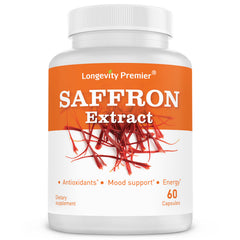
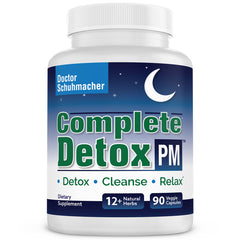
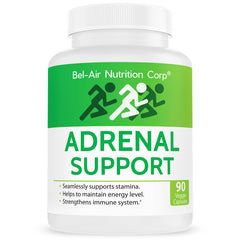
Explore our bottled supplements
Bulk GABA Powder for Supplement Manufacturing
GABA powder is gamma-aminobutyric acid, a nonprotein amino acid made by chemical synthesis or by fermentation with lactic acid bacteria. It is a white crystalline powder that dissolves readily in water, and purity is measured by HPLC. We supply it in bulk to supplement brands, contract manufacturers, and formulators. You can request testing documents and samples on the quote form.
A simple amino acid with clear grades and tests
GABA is one small, well characterized molecule. Grades differ mainly by production route and purity, so a short list of tests tells you what you are buying.
A small, defined molecule
GABA is 4-aminobutanoic acid, formula C4H9NO2, with a molecular weight of 103.12 g/mol. Its CAS number is 56-12-2, so identity is easy to state on every document.
Two production routes
Chemical synthesis opens ring compounds such as pyrrolidone or butyrolactone. Fermentation uses lactic acid bacteria and their glutamate decarboxylase enzyme to convert glutamate, often from monosodium glutamate, into GABA.
Grades by purity
Crystalline grades run 98% or more. Fermented grades can be less concentrated: one Japanese producer's published spec sets NLT 80% GABA, with residual glutamate and ash that is mostly sodium chloride.
Dissolves readily in water
GABA dissolves at about 130 g per 100 mL of water at 25 °C, but very little in ethanol. That suits powdered drink mixes and dry blends that are stirred into water.
A USP monograph
USP-NF includes a dietary supplement monograph for GABA. It sets the assay at 97.5% to 101.0%, calculated on the as is basis, against a USP reference standard.
Handles normal process heat
GABA melts at about 202 °C and breaks down to pyrrolidone and water above that point. Drying, blending, and tableting run far below this temperature.
Where formulators use GABA powder
This amino acid fits dry, measured formats and powders mixed into water, including:
- Capsules
- Compressed tablets
- Chewable tablets, after taste trials
- Single ingredient powders
- Powdered drink mixes
- Stick packs and sachets
- Gummies, after taste and stability trials
- Private label programs
Plan fill weights from the assay on each COA. A fermented grade at 80% GABA and a crystalline grade at 98% are not interchangeable gram for gram. Recalculate your serving math whenever you change grades or suppliers.
What to check before you buy GABA powder
Two powders sold as GABA can differ in production route, purity, and what makes up the rest of the powder. Review these points together, and ask for lot documents before you approve a supplier.
Production route
Ask whether the lot was made by chemical synthesis or fermentation, and get the answer in writing. For fermentation, ask for the organism, the substrate, and how the GABA was recovered.
Assay method and basis
Ask for purity by HPLC against a reference standard, on an as is or dry basis. For fermented grades, ask what makes up the rest of the powder, such as glutamate or salt.
Related compounds and residues
For synthetic material, ask for related compounds by HPLC and residual solvent results. For fermented material, ask about residual glutamate, sodium, and fermentation byproducts such as histamine.
Moisture and caking
Crystalline GABA is often specified at NMT 0.5% loss on drying. Some suppliers describe plain GABA powder as deliquescent, so check the packaging and the moisture result on each COA.
Branded or generic
Branded fermented GABA ingredients are sold under their owners' trademarks. If your label names a brand, buy from the trademark owner or a licensed distributor and keep the license paperwork.
Export market rules
Rules for GABA differ outside the US. Canada, Australia, and New Zealand each classify it in their own way, so check every destination market before you plan exports.
Label math: If your label lists GABA per serving, base the number on each lot's measured assay and your own finished product testing. With fermented grades, use the measured GABA content, not the total powder weight.
Typical specification for GABA powder
These values reflect a crystalline grade, based on the USP-NF monograph assay, the other tests USP proposed in 2021, and published spec sheets. Fermented grades carry their own assay and composition limits. Final figures come from the specification sheet and COA for your lot. NLT means not less than, and NMT means not more than.
| Parameter | Specification | Method |
|---|---|---|
| Identity | Gamma-aminobutyric acid (4-aminobutanoic acid), CAS 56-12-2 | IR and HPLC against USP reference standard |
| Production route | Chemical synthesis or fermentation, as stated on the COA | Supplier declaration |
| Appearance | White crystalline powder | Visual |
| Assay | 97.5% to 101.0%, as is basis | HPLC per USP monograph |
| Related compounds | NMT 0.5% each, NMT 2.0% total | HPLC |
| Chloride | NMT 0.05% | USP <221> |
| Sulfate | NMT 0.03% | USP <221> |
| pH (in solution) | 6.5 to 7.5 | USP <791> |
| Loss on drying | NMT 0.5% | USP <731> |
| Residue on ignition | NMT 0.1% | USP <281> |
| Particle size | Mesh size per spec sheet | USP <786> |
| Allergen statement | Declaration per lot, covering fermentation media where used | Supplier declaration |
| Lead | NMT 0.5 ppm | ICP-MS |
| Arsenic | NMT 1.0 ppm | ICP-MS |
| Cadmium | NMT 1.0 ppm | ICP-MS |
| Mercury | NMT 0.1 ppm | ICP-MS |
| Total aerobic count | NMT 1,000 cfu/g | USP <2021> |
| Yeast and mold | NMT 100 cfu/g | USP <2021> |
| E. coli and Salmonella | Negative in 10 g and 25 g | USP <2022> |
| Shelf life | 24 months, unopened | Stability data |
Storage and handling for bulk GABA
GABA holds its quality longest when it stays sealed and dry. These habits help you keep it free flowing across several production runs.
Keep it sealed
Close the inner liner after each use and press out the air. GABA powder picks up moisture from the air and can cake when left open.
Store cool and dry
Keep bags off the floor in a dry room, away from heat sources. Follow the temperature range on the spec sheet.
Watch room humidity
Weigh and blend in a room with controlled humidity where you can. Damp powder clumps in feeders and can shift fill weights.
Rotate stock
Record the lot number and retest date for each bag. Send older lots to production first, and retest any lot held past its retest date.
GABA powder buyer FAQ
Quick answers to the questions procurement and quality teams ask most.
What is the difference between fermented and synthetic GABA?
Both are the same molecule, gamma-aminobutyric acid, made by different routes. Synthetic GABA comes from chemical reactions on ring compounds such as pyrrolidone. Fermented GABA is made by lactic acid bacteria from glutamate, and some fermented grades carry glutamate and salt alongside the GABA.
Which GABA grade should I choose?
Most buyers choose a crystalline grade of 98% or more, which keeps fill weights small. Choose a fermented grade if your label calls for GABA made by fermentation, and plan around its stated assay.
How is GABA purity measured?
Purity is measured by HPLC against the USP reference standard. The USP-NF monograph sets the assay at 97.5% to 101.0% on the as is basis. The tests USP proposed in 2021 add identity by IR, limits for related compounds, chloride, and sulfate, and a loss on drying limit of NMT 0.5%.
Does GABA dissolve in water?
Yes. GABA dissolves at about 130 g per 100 mL of water at 25 °C. It dissolves very little in ethanol, so plan water based mixes rather than alcohol based ones.
Is this a branded GABA ingredient?
No. This page covers GABA sold under its chemical name. Branded GABA ingredients are sold by their trademark owners and licensed distributors.
What documents can I get with an order?
A certificate of analysis (COA) and a specification sheet ship with every order. An allergen statement and a safety data sheet may also be available, depending on the lot in inventory. Contact us to request them.
Can I get a sample before a bulk order?
You can request one by choosing sample options on the quote form. We will confirm availability, size, and timing.
How should I store an opened bag?
Close the liner, press out the air, and keep the bag in a cool, dry place. Weigh and blend in a room with controlled humidity so the powder stays free flowing.
Request a quote for bulk GABA powder
Tell us your grade, production route, quantity, and timing. We will reply with current pricing. Select testing documents and sample options on the quote form.
Order GABA PowderBulk orders: Choose a pack size above, or use the quote form for larger volumes, testing documents, and sample options. We serve supplement brands, contract manufacturers, product developers, and formulators.
This bulk ingredient is sold for further manufacturing and formulation. The information on this page describes the ingredient and how commercial buyers evaluate it. It is not medical advice. Each finished product brand is responsible for its own labeling and product claims.


