






Wholesome in bulk™ Citrus Bergamot Fruit Extract Powder
Bulk ingredient prices vary with supply and order size. Please complete the quote request form with the ingredient, package size, and quantity you need. We'll email you a current quote.
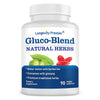
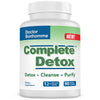
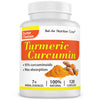
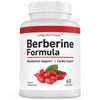
Explore our bottled supplements


Bulk Citrus Bergamot Extract for Supplement Manufacturing
Citrus bergamot extract is a dry powder made from the fruit of Citrus bergamia Risso & Poit. This citrus grows almost entirely in Calabria, southern Italy. Most grades are made from the juice and the white albedo and are standardized to polyphenols or flavanones. We supply it in bulk to supplement brands, contract manufacturers, and formulators.
A Calabrian citrus extract with a distinct flavanone profile
Citrus bergamot extract is specified by origin, plant part, and flavanone content. Its HPLC profile has named markers that set it apart from other citrus. That gives buyers and quality teams a clear way to compare lots.
A Calabrian citrus
Bergamot grows almost entirely along the Ionian coast of Calabria in southern Italy. The peel is pressed for essential oil, while the juice and albedo are the usual source for polyphenol extracts.
Named flavanone markers
The main flavanones are naringin, neohesperidin, and neoeriocitrin. Bergamot fruit also carries brutieridin and melitidin, two flavanone glycosides first isolated from bergamot in 2009.
Grades by polyphenols or flavonoids
Bulk grades are sold as 30% to 50% polyphenols, or as more than 38% polyphenolic flavonoids with stated brutieridin and melitidin. Check whether the figure is total polyphenols by UV or flavanones by HPLC.
An HPLC profile you can check
HPLC separates the flavanones and shows the bergamot pattern. Published methods tell bergamot juice apart from lemon, chinotto, and bitter orange juice.
Plant part on the spec
Branded fractions name juice and albedo, while some bulk listings use peel. Because the parts differ in profile, the plant part belongs on every specification.
Light yellow powder, bitter taste
Standard fractions are light yellow to light brown powders. Naringin and neohesperidin taste bitter, so plan taste trials before you use the powder in drink mixes.
Where formulators use citrus bergamot extract
This extract fits measured formats where fill weight and serving size are controlled, including:
- Capsules
- Compressed tablets
- Single ingredient powders
- Multiple ingredient botanical blends
- Stick packs and sachets
- Powdered drink mixes, after taste trials
- Gummies, after taste and stability trials
- Private label programs
Plan fill weights from the measured assay on each COA. A 40% polyphenol grade by UV and a flavanone grade by HPLC measure different things, so they are not interchangeable gram for gram.
What to check before you buy citrus bergamot extract
Powders sold under this name can differ in species, plant part, assay basis, and origin. Review these points together, and ask for lot documents before you approve a supplier.
Species and origin
Confirm Citrus bergamia fruit and the growing region on the specification and the certificate of analysis (COA). Some export listings use the word bergamot for finger citron (Citrus medica), a different fruit.
Plant part and furocoumarins
Ask whether the extract comes from juice and albedo or from peel. Peel material can carry furocoumarins such as bergapten, so ask for a result when peel is used.
Polyphenols or flavanones
A total polyphenol figure by UV counts every phenolic compound that reacts. An HPLC result names naringin, neohesperidin, and neoeriocitrin, which makes supplier comparison clearer.
Brutieridin and melitidin
If your specification names these two compounds, require an HPLC or LC-MS value for each. They are characteristic of bergamot fruit and add a second identity check.
Process, solvent, and carrier
Confirm how the fraction was made, which solvents were used, and whether a carrier or excipient is added to reach the grade.
Contaminant limits
Check heavy metals by ICP-MS, microbial limits by USP methods, and pesticide residues on the citrus source. Compare each limit with your own finished product specification.
Label math: If your label lists polyphenols or flavanones per serving, base the number on each lot's measured result. Note which method produced it. A stated grade is a minimum, so the measured value on the COA is the figure to work from.
Typical specification for citrus bergamot extract
These values reflect common juice and albedo fractions. Final figures come from the specification sheet and COA for your lot. NLT means not less than, and NMT means not more than.
| Parameter | Specification | Method |
|---|---|---|
| Botanical source | Citrus bergamia Risso & Poit., fruit | HPLC flavanone profile |
| Plant part | Juice and albedo | Supplier declaration |
| Appearance | Fine light yellow to light brown powder | Visual |
| Odor and taste | Characteristic citrus odor, bitter taste | Organoleptic |
| Total polyphenols | NLT 40% | UV (Folin-Ciocalteu) |
| Naringin, neohesperidin, neoeriocitrin | Each value reported on the COA | HPLC |
| Brutieridin and melitidin | Each value reported on the COA | HPLC or LC-MS |
| Furocoumarins (bergapten, bergamottin) | Reported on the COA | HPLC |
| Process and solvents | Process and solvents named on the COA | Supplier declaration |
| Carrier | None, or as named on the specification sheet | Supplier declaration |
| Particle size | NLT 95% through 80 mesh | USP <786> |
| Loss on drying | NMT 5.0% | USP <731> |
| Lead | NMT 1.0 ppm | ICP-MS |
| Arsenic | NMT 1.0 ppm | ICP-MS |
| Cadmium | NMT 1.0 ppm | ICP-MS |
| Mercury | NMT 0.1 ppm | ICP-MS |
| Total aerobic count | NMT 10,000 cfu/g | USP <2021> |
| Yeast and mold | NMT 1,000 cfu/g | USP <2021> |
| E. coli and Salmonella | Negative in 10 g and 25 g | USP <2022> |
| Shelf life | 24 months, unopened | Stability data |
Storage and handling for bulk citrus bergamot extract
Fruit extracts pick up moisture from the air and can cake once a bag is open. These steps keep the powder in good condition between production runs.
Keep it sealed
Close the inner liner after each use and press out the air. A tight seal keeps humid air away from the powder.
Store cool and dry
Keep bags off the floor in a dry room, away from heat sources. Follow the temperature range on the spec sheet.
Keep away from light
Leave the powder in its original opaque packaging. Light and heat can shift color and assay over time.
Rotate stock
Record the lot number and retest date for each bag. Send older lots to production first.
Citrus bergamot extract buyer FAQ
Quick answers to the questions procurement and quality teams ask most.
What is citrus bergamot extract standardized to?
Most bulk grades are standardized to total polyphenols or polyphenolic flavonoids, from about 30% to 50%. Branded Calabrian fractions also state brutieridin and melitidin, for example 2% and 1%.
What is a bergamot polyphenolic fraction?
It is a concentrated mix of flavonoids made from bergamot juice and albedo. The phrase describes a type of material, not a grade, so check the flavanone profile on the COA rather than relying on the name.
Is Chinese bergamot the same as citrus bergamot?
Not always. Citrus bergamot is Citrus bergamia, grown mainly in Calabria, Italy. Some export listings use the word bergamot for finger citron, a form of Citrus medica with a different profile. Check the Latin name on the COA.
What are brutieridin and melitidin?
They are flavanone glycosides first isolated from bergamot fruit in 2009. Each is a neohesperidoside of a common citrus flavanone (hesperetin or naringenin) carrying an extra 3-hydroxy-3-methylglutaryl group. Some specifications state each one by HPLC.
Why do polyphenol and flavanone results differ?
A UV polyphenol test counts every phenolic compound that reacts with the reagent. HPLC measures named flavanones one by one. The UV figure is usually the larger number, so compare suppliers on the same method.
Does citrus bergamot extract contain bergapten?
It can, depending on the plant part. Bergapten is a furocoumarin named after bergamot and found mainly in the peel oil. Ask for a furocoumarin result on the COA, especially if the extract includes peel.
What documents can I get with an order?
A certificate of analysis (COA) and a specification sheet ship with every order. An allergen statement and a safety data sheet may also be available, depending on the lot in inventory. Contact us to request them.
Can I get a sample before a bulk order?
You can request one by choosing sample options on the quote form. We will confirm availability, size, and timing.
Request a quote for bulk citrus bergamot extract
Tell us your grade, assay basis, quantity, and timing. We will reply with current pricing. Select testing documents and sample options on the quote form.
Order Citrus Bergamot ExtractBulk orders: Choose a pack size above, or use the quote form for larger volumes, testing documents, and sample options. We serve supplement brands, contract manufacturers, product developers, and formulators.
This bulk ingredient is sold for further manufacturing and formulation. The information on this page describes the ingredient and how commercial buyers evaluate it. It is not medical advice. Each finished product brand is responsible for its own labeling and product claims.


