






Wholesome in bulk™ Green Coffee Bean Extract Powder
Bulk ingredient prices vary with supply and order size. Please complete the quote request form with the ingredient, package size, and quantity you need. We'll email you a current quote.
Explore our bottled supplements
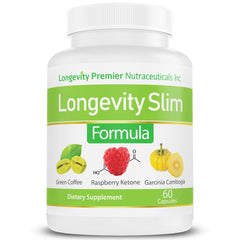
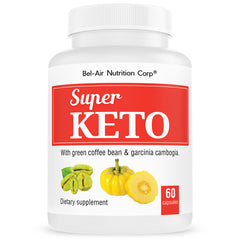
Bulk Green Coffee Bean Extract for Supplement Manufacturing
Green coffee bean extract is a dry powder made from the unroasted seeds of the coffee plant, Coffea canephora (robusta) or Coffea arabica. It is usually standardized to total chlorogenic acids measured by HPLC, with caffeine stated as a separate line. We supply it in bulk to supplement brands, contract manufacturers, and formulators. You can request testing documents and samples on the quote form.
A bean extract with named markers and a stated caffeine level
Green coffee bean extract is easy to specify. Its marker compounds have standard HPLC methods, and caffeine appears as its own line on the spec. That makes lot to lot comparison simple for buyers and quality teams.
Unroasted bean source
The extract is made from green coffee beans that have not been roasted. Roasting breaks down a large share of the chlorogenic acids, so unroasted beans are the standard raw material.
Named marker compounds
Chlorogenic acids are a family of natural esters of quinic acid with caffeic or ferulic acid. The main one is 5-caffeoylquinic acid (5-CQA), and specs report the total of the measured forms.
Familiar market grades
Grades of 45% and 50% total chlorogenic acids are the most widely listed. Decaffeinated grades are also traded, usually with caffeine capped at 2%.
Caffeine on its own line
Green coffee beans contain caffeine naturally, and the level in an extract depends on the grade and process. Good specifications report caffeine by HPLC, so you know the figure before you formulate.
Water based extraction
A common process extracts the beans with water, purifies the liquid with a water and ethanol mix, and spray dries it. One published spec lists a native ratio of 12 parts bean to 1 part extract.
Fine, free flowing powder
Spec sheets call for a light yellow to brown powder that passes an 80 mesh screen, with a bulk density near 0.4 to 0.6 g/mL. That suits capsule filling, tableting, and dry blending.
Where formulators use green coffee bean extract
This extract fits measured formats where fill weight and caffeine per serving are controlled, including:
- Capsules
- Compressed tablets
- Single ingredient powders
- Multiple ingredient botanical blends
- Powdered drink mixes
- Stick packs and sachets
- Gummies, after taste and stability trials
- Private label programs
Plan fill weights from the confirmed assay on each COA, and track caffeine as its own number. A standard grade and a decaffeinated grade are not interchangeable gram for gram, so recheck your caffeine math whenever you change grades.
What to check before you buy green coffee bean extract
Two powders sold under the same name can differ in species, assay method, and caffeine level. Review these points together, and ask for lot documents before you approve a supplier.
Species and plant part
Confirm the species and unroasted bean on both the specification and the certificate of analysis (COA). An entry that names only the genus such as Coffea spp. leaves the species open.
Chlorogenic acids by HPLC
Ask for total chlorogenic acids by HPLC against a 5-CQA reference standard, and which forms are added into the total. A UV result for total polyphenols is a different measure.
Caffeine result for each lot
Ask for measured caffeine by HPLC on every COA. This is most important for decaffeinated grades, where the spec sets a maximum.
Source of the chlorogenic acids
Chlorogenic acid also occurs in other plants. Ask the supplier to confirm the extract is made only from green coffee beans, and check that the HPLC profile matches a coffee bean reference.
Contaminant limits
Check heavy metals by ICP-MS, microbial limits by USP methods, pesticide residues, and residual solvents. Coffee buyers also test for ochratoxin A, a mold toxin, so ask whether the lot is screened.
Solvent, carrier, and origin
Confirm the extraction solvent, native ratio, and country of origin. Ask whether any carrier, such as maltodextrin, is added to reach the stated grade.
Caffeine on the label: A decaffeinated grade still contains some caffeine. If your label or product page states caffeine per serving, base it on each lot's measured value and your own finished product testing.
Typical specification for green coffee bean extract
These values reflect the common 50% chlorogenic acids grade. Final figures come from the specification sheet and COA for your lot. NLT means not less than, and NMT means not more than.
| Parameter | Specification | Method |
|---|---|---|
| Botanical source | Coffea canephora or Coffea arabica, unroasted seed | TLC or HPTLC fingerprint |
| Appearance | Light yellow to yellowish brown fine powder | Visual |
| Total chlorogenic acids | NLT 50.0% | HPLC |
| Caffeine | NMT 2.0% for decaffeinated grades, or as stated on the COA | HPLC |
| Extraction solvent and ratio | Water, with water and ethanol purification, about 12:1 | Supplier declaration |
| Carrier | None, or as named on the specification sheet | Supplier declaration |
| Particle size | NLT 95% through 80 mesh | USP <786> |
| Loss on drying | NMT 5.0% | USP <731> |
| Bulk density | 0.40 to 0.60 g/mL | USP <616> |
| Lead | NMT 3.0 ppm | ICP-MS |
| Arsenic | NMT 1.0 ppm | ICP-MS |
| Cadmium | NMT 1.0 ppm | ICP-MS |
| Mercury | NMT 0.1 ppm | ICP-MS |
| Total aerobic count | NMT 1,000 cfu/g | USP <2021> |
| Yeast and mold | NMT 100 to 250 cfu/g | USP <2021> |
| E. coli and Salmonella | Negative in 10 g and 25 g | USP <2022> |
| Ochratoxin A | Reported on the COA when screened | HPLC-FLD or LC-MS/MS |
| Pesticide residues | Meets USP <561> | GC-MS and LC-MS |
| Residual solvents | Meets USP <467> | GC |
| Shelf life | 36 months, unopened | Stability data |
Quality standards for green coffee bean extract
Green coffee bean extract is specified mainly against supplier standards, coffee trade codes, and food contaminant rules. The cards below show what a careful specification covers and how each line is checked.
What counts as total chlorogenic acids
Green coffee holds nine main chlorogenic acids: three caffeoylquinic, three feruloylquinic, and three dicaffeoylquinic acids. HPLC reads them at about 325 to 330 nm against a 5-CQA reference standard. Dicaffeoyl forms give a stronger signal per gram, so a total built on 5-CQA alone reads high. One method paper found that approach averaged 5.9 points above a calculation that corrects for each form.
A two line assay
Careful specifications report 5-CQA and total chlorogenic acids as separate lines. One Japanese maker sets NLT 24.0% 5-CQA and NLT 45.0% total chlorogenic acids, both by HPLC. A branded decaffeinated grade publishes its full profile, with 5-CQA near 12.6% inside a total near 46%. The ratio between the two lines gives QA teams a simple profile check.
Species identity
Robusta (Coffea canephora) carries a marker diterpene, 16-O-methylcafestol. German standard DIN 10779 measures it in roasted beans, and NMR methods can detect robusta at under 1% of a blend. These tests were built for beans. For an extract, ask for the species on the bean purchase records and an HPLC profile from each lot.
Ochratoxin A rules for coffee
Ochratoxin A is the mold toxin that coffee rules address by name. Since January 1, 2023, EU Regulation 2022/1370 caps it at 3 µg/kg in roasted coffee and 5 µg/kg in soluble coffee. No EU limit names green coffee extract, so buyers can use the soluble coffee figure as a reference. Roasting breaks down part of the ochratoxin A in beans, and green coffee extract skips that step.
Solvent rules for decaffeination
FDA allows methylene chloride to remove caffeine from green coffee beans. Its residue limit is 10 ppm in decaffeinated roasted and instant coffee (21 CFR 173.255). Published extract processes also wash caffeine out with chlorinated solvents after extraction. Ask which solvent removed the caffeine, and request a GC result under USP <467> for it.
Elemental contaminant limits
USP <2232> sets component limits for products taken at up to 10 g a day. They are 0.5 µg/g for lead and cadmium and 1.5 µg/g for inorganic arsenic and total mercury. Published green coffee sheets commonly list lead at 3 ppm. Smaller daily amounts can meet the chapter's daily limits at higher per gram levels, so check lot results against your own serving size.
Sourcing and processing practices for green coffee bean extract
Most quality differences start with how the beans were dried, stored, and decaffeinated. These points give QA teams specific questions to ask and verify.
Start with well dried beans
The Codex code of practice for ochratoxin A in coffee sets a drying target of 12.5% moisture or less. The molds that make the toxin produce it at a water activity of about 0.80 to 0.95, so time in that window matters most. Black and sour defect beans can carry more of the toxin. Sorted defects should stay out of clean lots, so ask for bean moisture and sorting records.
Watch humidity in storage and transit
Stored green coffee keeps drying below 60% relative humidity and picks up water above 80%. Temperature swings in shipping containers can condense water onto the bags. Codex asks that moisture stay at 12.5% or less from loading until processing. Ask where the beans were held, and for how long, before extraction.
Keep extraction temperature moderate
5-CQA shifts into 3-CQA and 4-CQA with heat and at neutral or alkaline pH. The shift appeared even in fast pressurized extraction, and its size depended on solvent, pH, time, and temperature. Patent literature cites 45 to 60 °C as a range that avoids marked shifts. Ask for the extraction temperature and pH on the process flow.
Name every solvent in the process
Published routes for high chlorogenic acid grades use water, ethanol, methanol, ethyl acetate, acetone, or n-butanol. Some add a hexane wash to remove fat and a chloroform or methylene chloride wash to remove caffeine. Each solvent needs its own residual result by GC. A declaration that lists only the main solvent leaves the others open.
Test the extract as well as the beans
Extraction can concentrate what the beans carry, including mold toxins. A clean bean result does not stand in for an extract result. Screen finished extract lots for ochratoxin A. For each new supplier, add an LC-MS/MS screen that covers aflatoxins and Fusarium toxins such as fumonisins.
Get the microbial control method in writing
Careful green coffee sheets state how microbes were controlled after extraction. One European distributor sheet states high temperature and pressure sterilization, no ethylene oxide, and no irradiation. A UK distributor sheet states that the product is not irradiated and contains no ethylene oxide. Keep the statement for each lot in the supplier file.
Formulator tips for green coffee bean extract
Use these points when you set label figures, fill weights, and incoming tests. The figures come from published supplier sheets, coffee regulations, and method papers.
- Track caffeine with the same math as the main assay. 400 mg of a 50% grade gives 200 mg of chlorogenic acids, and at 2% caffeine it also carries 8 mg of caffeine. A grade with 10 to 12% caffeine carries 40 to 48 mg in the same capsule.
- Write one definition of total chlorogenic acids into your spec and your finished product test. Some labs sum only the three caffeoylquinic acids, while others add the feruloyl and dicaffeoyl forms. The same powder can pass one definition and fail the other.
- Keep liquid and wet blends acidic where you can. Chlorogenic acids form brown or green pigments in alkaline conditions, and amino acids and proteins take part in the reaction. In lab tests, cysteine and glutathione slowed pigment formation.
- Expect 5-CQA to shift toward 3-CQA and 4-CQA in neutral or alkaline drinks. The shift grows with pH, and ultrasound speeds it up. Added EGCG or vitamin C kept more 5-CQA intact in those tests, so run stability trials in the final matrix.
- Plan capsule fill from tapped density. One sheet lists bulk density of 0.4 to 0.6 g/mL and tapped density of 0.5 to 0.7 g/mL. At those figures, 500 mg of extract needs about 0.7 to 1.0 mL once tapped.
- Many grades are water soluble, and one sheet gives a pH range of 4 to 7. Check clarity, color, and taste at your use level before you commit to a drink mix format.
- Set an incoming test plan. Run identity and HPLC chlorogenic acids and caffeine on every lot, plus ochratoxin A. Add a multi mycotoxin screen for each new supplier, and residual solvents whenever the grade is decaffeinated. Recheck the assay and loss on drying (NMT 5.0%) before you use stock past its retest date.
Helping shoppers read a green coffee label
Brands and their customer service teams get the same label questions often. These answers cover what the ingredient is and how it is labeled.
What the label line means
A typical line reads green coffee bean extract (Coffea canephora) (bean). Green means unroasted, and the bean is the seed of the coffee fruit. The extract is a dry powder made from those beans, so it differs from ground coffee and brewed coffee.
How to read the percentage
Multiply the extract amount by the percentage to get chlorogenic acids per capsule. 250 mg of extract at 50% gives 125 mg. If caffeine is listed, it is worked out the same way from its own percentage.
What decaffeinated means here
Decaffeinated green coffee extracts are often specified at NMT 2% caffeine, so they still contain some. For comparison, EU rules for decaffeinated extracts of roasted coffee allow NMT 0.3% of the coffee dry matter. Those rules cover instant coffee, not green coffee extract, so read the caffeine figure on the label.
Quality programs, look, and storage
Programs such as the USP Dietary Supplement Verification Program and NSF/ANSI 173 certification check finished products against their labels and contaminant limits. The powder is light yellow to brown with a characteristic odor. Keep the bottle closed in a cool, dry place away from light.
Storage and handling for bulk green coffee bean extract
Bean extracts hold their spec longest when they stay sealed, dry, and out of light. These steps keep the powder in good condition between production runs.
Keep it sealed
Close the inner liner after each use and press out the air. Extract powders pick up moisture from the air and can cake when left open.
Store cool and dry
Keep bags off the floor in a dry room, away from heat sources. Follow the temperature range on the spec sheet.
Keep away from light
Leave the powder in its original opaque packaging. Light and heat can shift color and assay over time.
Rotate stock
Record the lot number and retest date for each bag. Send older lots to production first.
Green coffee bean extract buyer FAQ
Quick answers to the questions procurement and quality teams ask most.
What is green coffee bean extract standardized to?
It is standardized to total chlorogenic acids, measured by HPLC. Grades of 45% and 50% are the most widely listed. Caffeine is reported on a separate line, so check both figures on the COA.
Does green coffee bean extract contain caffeine?
Yes. Green coffee beans contain caffeine naturally, and the amount in an extract depends on the grade and process. Decaffeinated grades are usually specified at not more than 2% caffeine.
Is it made from robusta or arabica beans?
Either species can be used, so check the specification. Published specs name both Coffea canephora (robusta) and Coffea arabica. The country of origin for each lot is provided with your quote.
Is green coffee bean extract the same as green coffee bean powder?
No. Green coffee bean powder is the whole unroasted bean, dried and milled. Extract is made by soaking the beans in a solvent and drying the liquid into a concentrated powder with a stated assay.
How is chlorogenic acid measured?
HPLC is the standard method. It separates each chlorogenic acid form and measures it against a reference standard. A UV test gives total polyphenols, which is a broader measure, so the two numbers are not interchangeable.
What documents can I get with an order?
A certificate of analysis (COA) and a specification sheet ship with every order. An allergen statement and a safety data sheet may also be available, depending on the lot in inventory. Contact us to request them.
Can I get a sample before a bulk order?
You can request one by choosing sample options on the quote form. We will confirm availability, size, and timing.
How should I store an opened bag?
Close the liner, press out the air, and keep the bag in a cool, dry place away from light. Use the powder within the shelf life shown on the COA.
Should green coffee bean extract be checked for ochratoxin A?
Yes. Coffee beans are a known ochratoxin A crop, and extraction can concentrate what the beans carry. Ask for a result on each lot by HPLC with fluorescence detection or by LC-MS/MS. Add a wider mycotoxin screen when you approve a new supplier.
How is green coffee bean extract decaffeinated?
Methods vary, so ask the supplier for its process. Published extract processes wash caffeine out of the liquid extract with a chlorinated solvent such as methylene chloride or chloroform. Ask which solvent was used and for a GC residual solvent result.
Request a quote for bulk green coffee bean extract
Tell us your grade, caffeine limit, quantity, and timing. We will reply with current pricing. Select testing documents and sample options on the quote form.
Order Green Coffee Bean ExtractBulk orders: Choose a pack size above, or use the quote form for larger volumes, testing documents, and sample options. We serve supplement brands, contract manufacturers, product developers, and formulators.
This bulk ingredient is sold for further manufacturing and formulation. The information on this page describes the ingredient and how commercial buyers evaluate it. It is not medical advice. Each finished product brand is responsible for its own labeling and product claims.


