




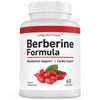


Wholesome in bulk™ Berberine
Bulk ingredient prices vary with supply and order size. Please complete the quote request form with the ingredient, package size, and quantity you need. We'll email you a current quote.
Explore our bottled supplements

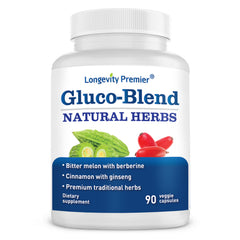
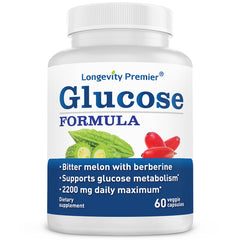
Bulk Berberine HCl Powder for Supplement Manufacturing
Berberine HCl is a yellow crystalline powder made from the roots, rhizomes, or bark of plants such as Berberis aristata, or by synthesis. It is the chloride salt of berberine, a plant alkaloid, and the usual bulk grade is NLT 97% by HPLC or titration. We supply it in bulk to supplement brands, contract manufacturers, and formulators. You can request testing documents and samples on the quote form.
A defined alkaloid salt with a clear purity standard
Bulk berberine is sold as its hydrochloride salt and graded by purity on the anhydrous basis. The source, the assay method, and the water content together let you compare lots and suppliers on equal terms.
Defined salt form
Berberine HCl is berberine chloride, C20H18ClNO4, with a molecular weight of 371.82 for the anhydrous salt. The berberine part weighs 336.37, so berberine makes up 90.5% of the salt.
Several plant sources
Plant derived material comes from Berberis aristata root, Coptis rhizome, Phellodendron amurense bark, and related plants. Their berberine content runs from about 1% to 9%, so the source shapes both yield and the companion alkaloids in the lot.
Synthetic routes exist
Berberine HCl can also be made by chemical synthesis. Published routes build the molecule from simple aromatic starting materials, so the route belongs on the spec sheet next to the source.
Purity on a stated basis
The most widely listed grade is NLT 97% berberine HCl, measured by HPLC or by titration. Good sheets state the anhydrous or dried basis, because the as is figure is several points smaller.
Water of crystallization
Bulk berberine HCl is usually a hydrate. Reagent and supplier sheets set water at 8.0 to 12.0%, so a reading in that range is normal for this material.
Bright yellow and bitter
The powder is yellow, crystalline, and bitter, with little or no odor. It is very slightly soluble in water, slightly soluble in ethanol, and sparingly soluble in methanol.
Where formulators use berberine HCl
This salt fits dry formats where fill weight and moisture pickup are controlled, including:
- Capsules
- Compressed tablets
- Granular grades for tablet presses
- Coated tablets
- Single ingredient powders
- Multiple ingredient capsule blends
- Stick packs and sachets, after taste trials
- Private label programs
Plan fill weights from the assay, basis, and water result on each COA. A 97% lot on the anhydrous basis with 10% water holds about 87% berberine HCl as is, so run your label math on the as is figure.
What to check before you buy berberine HCl
Two powders sold as berberine HCl 97% can differ in source, route, assay method, and water content. Review these points together, and ask for lot documents before you approve a supplier.
Salt form and CAS
Confirm berberine chloride on both the spec sheet and the certificate of analysis (COA), with CAS 633-65-8 or the hydrate number. Some listings give the berberine formula for the salt, which makes the paperwork harder to check.
Source or route
Ask for the species, plant part, and country, or a statement that the material is synthetic. The USP monograph for Indian barberry covers the stem, while many supplier sheets name the root.
Assay method and basis
Ask whether berberine HCl is measured by HPLC or by titration, and on which basis. HPLC reports berberine as its own peak, while a titration result cannot tell berberine apart from similar alkaloids in the lot.
Water and drying loss
Ask for water by Karl Fischer as well as loss on drying. Water between 8% and 12% is normal for the hydrate, and a much drier reading points to a different form or a drying problem.
Related alkaloids
Plant derived lots can carry companion alkaloids such as palmatine and jatrorrhizine. Ask for a related substances result by HPLC, with each named peak and the total.
Contaminants and solvents
Check lead, arsenic, cadmium, and mercury by ICP-MS, residual solvents by GC, and microbial limits by USP methods. Published sheets for 97% material set lead anywhere from NMT 1 ppm to 3 ppm.
Label math: Decide early whether your label states berberine HCl or berberine, and on which basis. The two figures differ by about 10% before any water correction, so the COA basis and your finished product lab need to match.
Typical specification for berberine HCl 97%
These values reflect published sheets for plant derived berberine HCl. Final figures come from the specification sheet and COA for your lot. NLT means not less than, and NMT means not more than.
| Parameter | Specification | Method |
|---|---|---|
| Identity | Berberine chloride, C20H18ClNO4, CAS 633-65-8 | FTIR and UV against a reference standard; HPLC retention time |
| Source | Plant derived (for example Berberis aristata root) or synthetic, as stated on the COA | Supplier declaration |
| Appearance | Yellow crystalline powder, bitter taste | Visual |
| Berberine HCl | NLT 97.0%, anhydrous basis | HPLC |
| Berberine, calculated | About 87.8%, anhydrous basis | Assay × 336.37 / 371.82 |
| Water | 8.0 to 12.0% | Karl Fischer, USP <921> |
| Residue on ignition | NMT 0.1% | USP <281> |
| Related substances | Total NMT 4.0%; palmatine and jatrorrhizine reported on the COA | HPLC |
| Particle size | NLT 90% through 80 mesh | USP <786> |
| Bulk density | 0.15 to 0.45 g/mL | USP <616> |
| Residual solvents | Ethanol NMT 3,000 ppm; meets USP <467> | GC |
| Pesticide residues | Meets USP <561> | GC-MS and LC-MS |
| Lead | NMT 2.0 ppm | ICP-MS |
| Arsenic | NMT 1.0 ppm | ICP-MS |
| Cadmium | NMT 1.0 ppm | ICP-MS |
| Mercury | NMT 0.1 ppm | ICP-MS |
| Total aerobic count | NMT 1,000 cfu/g | USP <2021> |
| Yeast and mold | NMT 100 cfu/g | USP <2021> |
| E. coli and Salmonella | Negative in 10 g and 25 g | USP <2022> |
| Shelf life | 36 months, unopened, away from light | Stability data |
Quality standards for berberine HCl
Several published standards define what good berberine HCl looks like. Pharmacopeial reference standards anchor identity and assay. Botanical monographs cover the source plants, and reagent specs show tight purity and water limits.
USP reference standard and monographs
USP sells a Berberine Chloride reference standard, C20H18ClNO4, with a molecular weight of about 371.8. USP-NF monographs that use it include Coptis Species Rhizome and Indian Barberry Stem, each with powder and dry extract monographs, and Goldenseal. Assays run against this one standard can be compared across labs.
Purity is read on the anhydrous basis
A Japanese Pharmacopoeia test grade of berberine chloride hydrate is specified at 95.0 to 102.0% on the anhydrous basis. A reagent grade sets NLT 98.0% by both HPLC and nonaqueous titration, also anhydrous, with water at 8.0 to 12.0%. Supplement grades at NLT 97% follow the same pattern.
Botanical monographs set the source
The Chinese Pharmacopoeia 2020 requires Phellodendron chinense bark to hold NLT 3.0% berberine, expressed as berberine HCl, on the dried basis by HPLC. P. amurense bark has its own monograph, and the British Pharmacopoeia covers both species. Raw material held to these monographs gives the extractor a known starting point.
Identity takes more than one test
Good spec sheets pair UV and FTIR spectra against a reference standard with a TLC check and an HPLC retention time. One published sheet adds an acidity test and a sulfate limit of NMT 0.048%. DNA methods do not suit a purified salt, because purification leaves little or no plant DNA.
Related alkaloids by HPLC
Plant derived berberine travels with companion alkaloids. Phellodendron amurense bark, for example, also holds jatrorrhizine and palmatine, which HPLC at 345 nm separates from berberine. One titration spec caps total impurities at NMT 4%, so ask for each named peak as well as the total.
Contaminant limits to build on
USP <2232> sets component limits of 0.5 µg/g for lead and cadmium and 1.5 µg/g for inorganic arsenic and total mercury. These limits assume a product taken at up to 10 g a day. Published berberine HCl sheets set lead between NMT 1 ppm and 3 ppm.
Sourcing and processing practices for berberine HCl
Most differences between berberine HCl lots start with the raw material and the route. These points give QA teams specific questions to ask and documents to keep.
Match the plant part to the paperwork
Berberine content varies by species and plant part. Published figures put Coptis japonica root at 7 to 9%, Phellodendron amurense bark at 1.2 to 4.75%, and Berberis aristata root above 1%. USP's Indian barberry monograph covers the stem, while many supplier sheets name the root, so confirm which part was used.
Get a route declaration
Synthetic berberine HCl is documented. A 2016 Chinese patent builds it from catechol through piperonal, then closes the ring with glyoxal. If your label names a plant source, your file needs a signed statement that each lot came from that plant.
Know the extraction steps
Industrial extraction commonly uses acidified water or lime milk, and berberine is usually converted to the hydrochloride along the way. Some sheets declare ethanol and water instead. Where ethanol is used, ask for a GC result; one published limit is NMT 3,000 ppm.
Keep heat and light low in processing
Berberine breaks down under high temperature and strong light. Ask for the drying conditions with each lot, because harsh drying also strips water from the hydrate and shifts the as is assay.
Pack for stable water content
Reagent makers list the hydrate as hygroscopic and advise storage in a cool, dark place under inert gas. Bulk suppliers ship 25 kg paper drums with two food grade poly liners. Ask for the water result at release and again at retest.
Ask for the chromatograms
Request the HPLC chromatogram, the FTIR overlay, and the TLC image with each COA, so you can see the data behind a 'conforms' result. Keep a retained sample of every lot until its shelf life ends.
Formulator tips for berberine HCl
Use these points when you set label amounts, fill weights, and incoming tests. The figures come from molecular weights and published supplier sheets.
- To state berberine instead of berberine HCl, multiply by 0.905. That factor is 336.37 divided by 371.82, the molecular weights of berberine and anhydrous berberine chloride.
- Correct for water as well as purity. A lot at 97.0% on the anhydrous basis with 10.0% water holds about 87.3% berberine HCl as is, or about 79.0% berberine. So each gram of that powder carries about 790 mg of berberine.
- Check density before you pick a capsule size. Powder grades list bulk density from 0.15 to 0.45 g/mL, so a size 0 shell of about 0.68 mL holds roughly 100 to 300 mg loose. Granular grades at NLT 0.50 g/mL hold about 340 mg or more.
- Use granular grades for tablet presses. One 97% granular grade passes NLT 90% through a 20 mesh screen, against 80 mesh for standard powder.
- Expect poor water solubility. Berberine HCl is very slightly soluble in cold water and dissolves better in hot water, so check liquid trials for crystals as they cool.
- Enclose the taste. The powder is strongly bitter, so capsules and coated tablets suit it better than open powders.
- Do not swap a phospholipid complex grade gram for gram. Branded complex grades are specified at about 28 to 34% berberine by HPLC, and they carry added ingredients, such as phospholipids, that belong on your label.
- Set an incoming test plan. Run identity by FTIR or HPLC, assay, and water by Karl Fischer on every lot. Recheck water and assay before you use stock past its retest date.
Helping shoppers read a berberine label
Brands and their customer service teams field the same label questions again and again. These answers stick to what the ingredient is and how it is labeled.
What the label line means
A label may read berberine hydrochloride (Indian barberry) (Berberis aristata). The first part names the salt form. The common and Latin names in parentheses name the plant it came from.
HCl amount versus berberine amount
Some labels list mg of berberine HCl and others list mg of berberine. Berberine makes up about 90% of the weight of anhydrous berberine HCl, so two different numbers can describe the same capsule.
Independent quality programs
Programs such as the USP Dietary Supplement Verification Program and NSF/ANSI 173 certification check finished products against their labels and contaminant limits. A seal names the program, and the program's own website lists the products it covers.
Normal look, taste, and home storage
Berberine HCl is a bright yellow powder with a bitter taste and little smell. It can stain fingers and countertops yellow. Keep the bottle tightly closed in a cool, dry place away from light.
Storage and handling for bulk berberine HCl
Berberine HCl keeps its assay longest when it stays sealed, dark, and cool. Water content is part of the spec, so moisture control matters as much as light.
Keep it sealed
Close the inner liner after each use and press out the air. The hydrate picks up and gives off moisture, which moves the as is assay.
Keep away from light
Leave the powder in its original opaque packaging. Berberine breaks down under strong light and high heat.
Store cool and dry
Keep drums off the floor in a dry room, away from heat sources. Reagent makers recommend a cool, dark place below 15 °C, so follow the range on your spec sheet.
Plan for yellow staining
Berberine chloride is also catalogued as a dye, Natural Yellow 18. Use dedicated scoops and liners, and schedule a full clean down after each run.
Berberine HCl buyer FAQ
Quick answers to the questions procurement and quality teams ask most.
What is the difference between berberine and berberine HCl?
Berberine HCl is the chloride salt of berberine, and it is the form sold in bulk. Berberine itself is the alkaloid part of the salt, and it makes up 90.5% of anhydrous berberine chloride by weight. Specs and labels should say which of the two they mean.
How do I convert berberine HCl to berberine?
Multiply by 0.905, the ratio of the two molecular weights, if the powder is anhydrous berberine chloride. For a real lot, correct for purity and water too. A 97% lot with 10% water holds about 79% berberine as is.
What plants is berberine HCl made from?
Most plant derived material comes from Berberis aristata root, Coptis rhizome, or Phellodendron amurense bark. Other berberine bearing plants include Berberis vulgaris and Coscinium fenestratum. Ask for the species and plant part on the COA.
Is bulk berberine HCl natural or synthetic?
Both exist. Most supplier sheets describe plant extraction, and synthetic routes are also patented and published. Ask your supplier for a written route declaration for each lot.
What is the difference between HPLC and titration assays?
HPLC separates berberine from related alkaloids and measures it as its own peak, while titration measures the salt as a whole. Both are used for the 97% grade. Compare quotes only when they use the same method and the same basis.
Why does the spec allow up to 12% water?
Bulk berberine HCl is usually a hydrate, with water held in its crystals. Reagent and supplier sheets set water at 8.0 to 12.0%, and purity is reported on the anhydrous basis. A much drier reading suggests a different form or a drying problem.
Is berberine HCl soluble in water?
Only very slightly at room temperature. It dissolves better in hot water and is sparingly soluble in methanol, so capsules and tablets are the usual formats. Liquid formats need trials that check for crystals as the solution cools.
What documents can I get with an order?
A certificate of analysis (COA) and a specification sheet ship with every order. An allergen statement and a safety data sheet may also be available, depending on the lot in inventory. Contact us to request them.
Can I get a sample before a bulk order?
You can request one by choosing sample options on the quote form. We will confirm availability, size, and timing.
Is there a USP monograph for berberine?
USP publishes a Berberine Chloride reference standard, and several USP-NF botanical monographs use it. They include Coptis Species Rhizome and Indian Barberry Stem, with their powder and dry extract monographs, and Goldenseal. Labs can assay berberine HCl lots against the same reference standard.
Request a quote for bulk berberine HCl
Tell us the grade, assay method, source, quantity, and timing you need. We will reply with current pricing. Select testing documents and sample options on the quote form.
Order Berberine HClBulk orders: Choose a pack size above, or use the quote form for larger volumes. The form also covers testing documents and sample options. We serve supplement brands, contract manufacturers, product developers, and formulators.
This bulk ingredient is sold for further manufacturing and formulation. The information on this page describes the ingredient and how commercial buyers evaluate it. It is not medical advice. Each finished product brand is responsible for its own labeling and product claims.


