




![Longevity Complete Detox [BETA 21 Caps]: 7 Day Intensive Detox & Digestive Support](http://longevitypremier.com/cdn/shop/files/DetoxBeta-mid_100x100.png?v=1787365739)






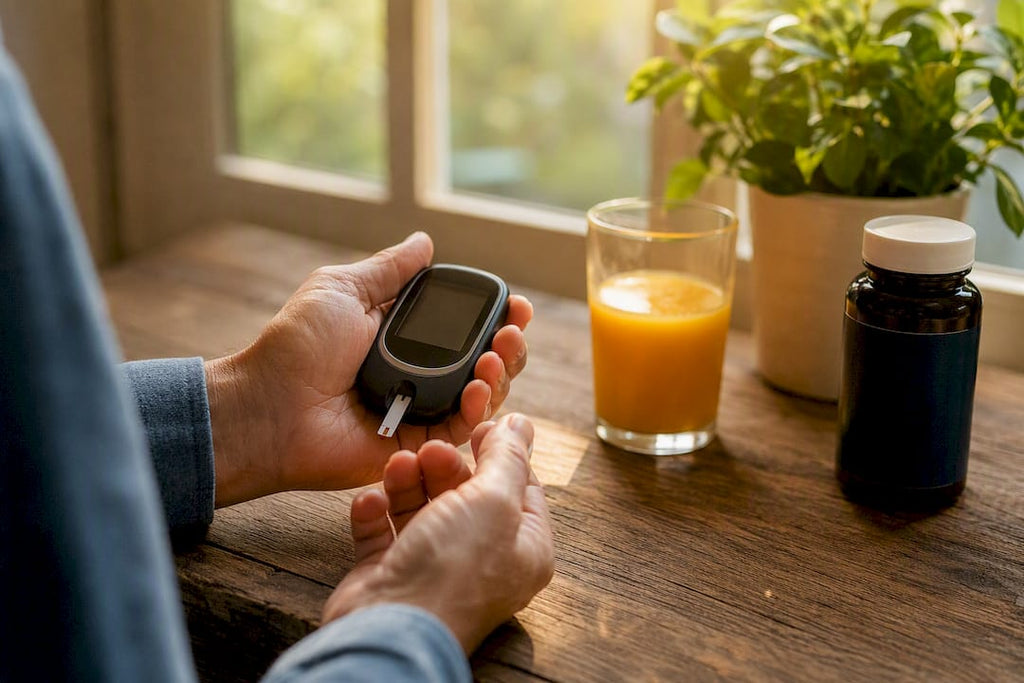
What Causes High Fasting Blood Sugar in the Morning?
Three things almost always explain a high fasting blood sugar morning reading: the dawn phenomenon, waning overnight insulin, and, less often, a rebound from a nighttime low called the Somogyi effect. Most adults with diabetes should aim for 70 to 130 mg/dL before breakfast, though your own target may differ. Before you touch a medication dose, do one thing first.
- Check your glucose once between 3 and 4 a.m., or pull up your overnight CGM graph.
- Log what that number looks like next to your bedtime and waking readings.
- Bring the pattern to your provider before adjusting anything yourself.
Why this matters: unsupervised increases in evening insulin to fix a morning high can trigger dangerous overnight lows if the real cause turns out to be something else. Data first, then decisions.
Key Takeaways
Consistently high fasting blood sugar in the morning usually traces back to the dawn phenomenon or waning basal insulin, and overnight data, not medication guesses, is what tells you which one.
| Point | Details |
|---|---|
| Identify the cause first | Check a 3 to 4 a.m. reading or review CGM data before assuming which of the three causes applies. |
| Know your target range | Many adults with diabetes aim for 70 to 130 mg/dL fasting, though targets should be individualized. |
| Adjust dinner timing | Eat earlier, favor protein and nonstarchy vegetables, and take a short walk after the meal. |
| Never self-adjust insulin | Bring overnight logs to your provider before changing basal insulin dose or timing. |
| Consider adjunct support | Longevity Premier’s Gluco Formula offers targeted nutritional support alongside diet, activity, and prescribed care, not in place of it. |
Table of Contents
- Causes Explained: Dawn Phenomenon, Waning Insulin, and Somogyi Effect
- How to Test and Confirm What’s Driving Your Morning Numbers
- Night-Before Strategies to Lower Morning Fasting Glucose
- Medication and Insulin Options Worth Discussing With Your Provider
- A One to Two Week Plan for Collecting the Right Data
- Where Supplements Fit Into a Morning Glucose Routine
- What Realistic Progress on Morning Numbers Looks Like
- Support Your Morning Numbers With Targeted Nutrition
- Sources
Causes Explained: Dawn Phenomenon, Waning Insulin, and Somogyi Effect
The dawn phenomenon happens because your body releases a wave of hormones, growth hormone, cortisol, glucagon, and epinephrine, roughly between 3 and 8 a.m. Those hormones tell the liver to dump glucose into the bloodstream to prepare you for waking up. If you don’t have enough active insulin on board at that hour, blood sugar climbs, even though you did nothing wrong the night before.
Waning basal insulin is a timing problem, not a hormone problem. If your long-acting insulin or pump basal rate wears off before morning, glucose creeps up steadily overnight rather than spiking suddenly at dawn. The fix usually involves adjusting when insulin is dosed, not necessarily how much.
The Somogyi effect is the rarest of the three: blood sugar drops too low overnight, and the body overcorrects by releasing stress hormones that push glucose back up by morning. You wake up high, but the real problem happened hours earlier while you were asleep.
Pattern clues help you and your provider narrow it down:
- High at bedtime and still high at 3 a.m.: likely waning insulin.
- Normal at bedtime, only high by 3 to 8 a.m.: classic dawn phenomenon.
- Low or dropping around 2 to 3 a.m., then high on waking: possible Somogyi rebound.
Distinguishing these matters because their fixes point in opposite directions, one calls for more overnight coverage, the other calls for less.
How to Test and Confirm What’s Driving Your Morning Numbers
A standard fasting blood sugar test means no food or drink except water for 8 to 12 hours beforehand, then a check right upon waking. That single number tells you where you land, but not why you’re there.
To find the “why,” run a short overnight protocol for three to seven nights:
- Test once between 3 and 4 a.m., or review your CGM trace if you have one.
- Log dinner time, dinner content, medication timing, and any evening activity.
- Note bedtime, overnight, and waking readings side by side.
CGM wins for pattern detection because it captures the whole night rather than one snapshot; a single 3 a.m. fingerstick can miss a low that happened at 2 a.m. and already resolved. Fingersticks still work if that’s what you have. One high morning reading is a data point. A repeated pattern across several nights, especially fasting numbers consistently above 125 mg/dL, is what warrants a call to your provider.
Night-Before Strategies to Lower Morning Fasting Glucose
What you do between dinner and lights-out shapes your morning number more than most people realize. Eating dinner earlier, rather than right before bed, gives your body more time to process the meal before overnight hormone shifts kick in. Favor protein and nonstarchy vegetables over refined carbs at that meal, and go easy on very high-fat dinners. Fat slows digestion, which can delay carbohydrate absorption into the night and show up as an unexpected morning spike instead of a normal post-meal rise.

A short walk after dinner, 10 to 15 minutes, helps muscles pull glucose out of the bloodstream while you’re still upright and digesting. Time it soon after eating rather than right before bed, since exercise too close to sleep can occasionally push glucose down further overnight in people on insulin or sulfonylureas.
Sleep and stress deserve attention too. Poor sleep and chronic stress both elevate cortisol, one of the same hormones driving the dawn phenomenon.
- Keep a consistent bedtime and wake time.
- Skip late-night alcohol, which can cause delayed overnight drops.
- Avoid snacking right before bed unless your provider has advised otherwise.
- Stick to water in the morning before your fasting check; even black coffee can nudge readings for some people.
Pro Tip: Try moving dinner 30 minutes earlier for one week and track your fasting numbers against your usual routine. Small timing shifts often show up clearly within a handful of nights.
Medication and Insulin Options Worth Discussing With Your Provider
Increasing evening insulin without overnight data is one of the most common mistakes in managing morning highs, and it’s also one of the riskier ones. Verifying the cause first protects against triggering a low blood sugar event while you sleep.
Once a pattern is confirmed, providers have several safe levers to consider:
- Shifting the timing of a basal insulin dose rather than the amount.
- Switching to a different basal insulin formulation with a flatter overnight profile.
- Splitting basal insulin into two smaller daily doses.
- Adjusting a pump’s basal rate specifically for early morning hours.
- Considering an automated insulin delivery system for people who qualify.
Most clinicians want a few nights of CGM data, sometimes through a short-term professional CGM loan, before making any of these changes. Contact your provider promptly if fasting readings stay consistently above your target range, if you notice symptoms like shakiness or night sweats, or if you experience repeated unexplained lows overnight. Those are signals that deserve a same-week conversation, not a wait-and-see approach.
A One to Two Week Plan for Collecting the Right Data
- Log everything for 3 to 7 nights. Record bedtime glucose, exact dinner and medication timing, and any evening activity.
- Check overnight once nightly. Test between 3 and 4 a.m., or rely on continuous CGM readings if you have access to one.
- Compare the three numbers. Line up bedtime, overnight, and fasting readings to see whether highs show up early (bedtime) or only later (early morning).
- Bring the pattern in, not just the number. Share the full log with your clinician before agreeing to any insulin or medication change.
This kind of consistent, timed tracking is often what actually reveals whether basal insulin is wearing off too early, far more useful than a single frustrating morning reading.
Where Supplements Fit Into a Morning Glucose Routine
[brand_signal]
Longevity Premier’s Gluco Formula was built around the idea that ingredients like berberine can offer targeted metabolic support, but they’re not a replacement for diet, activity, or prescribed medication.
A supplement can support the metabolic goals you’re already working toward with food, movement, and medication, but it doesn’t override the mechanisms behind dawn phenomenon or waning insulin. Anyone starting a new supplement should check with their clinician first, especially if they take insulin or other glucose-lowering medications, since some ingredients can interact.
What Realistic Progress on Morning Numbers Looks Like
Most people see partial improvement from dinner timing, activity, and sleep changes, rarely a complete fix on their own. Medication changes typically require clinician input, informed by real overnight data rather than guesswork. Track patterns, share them, adjust with guidance, and keep following up. That’s how morning numbers actually move.
— Charles
Support Your Morning Numbers With Targeted Nutrition
Diet and monitoring get you most of the way there, but pairing them with a formulation built specifically for glucose metabolism gives your routine another layer of support that generic multivitamins don’t offer. Longevity Premier’s Gluco Formula was developed using ingredients like berberine, chosen for their role in metabolic health, and designed to sit alongside the diet and activity changes covered above, not replace them.

If you’re already tracking dinner timing, overnight readings, and activity the way this article outlines, adding a formula built around those same metabolic goals is a logical next step rather than a leap of faith. Longevity Premier also offers a free educational resource covering dietary approaches that pair well with supplement support. Visit Longevity Premier to look at the Gluco Formula and decide whether it fits into the plan you’re already building with your provider.
This article is general information, not a substitute for advice from a qualified doctor. Consult a qualified healthcare professional about your own circumstances before acting on anything here.