


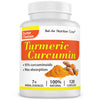



Wholesome in bulk™ Turmeric Root Powder and Turmeric Extract
Los precios de los ingredientes al por mayor varían según la disponibilidad y el tamaño del pedido. Complete el formulario de solicitud de cotización con el ingrediente, el tamaño del empaque y la cantidad que necesita. Le enviaremos por correo electrónico una cotización actualizada.
Descubra nuestros suplementos en frasco
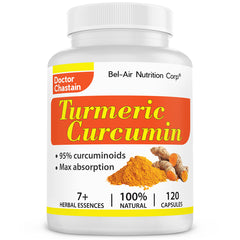
Bulk Turmeric Root Powder and Turmeric Extract for Supplement Manufacturing
Turmeric root powder is a deep yellow powder made from the dried, milled rhizome of Curcuma longa L., a plant in the ginger family. Its color comes from curcuminoids, which make up roughly 3% of the dried rhizome. You can also order turmeric extract, an orange powder concentrated to a stated curcuminoid level. We supply both forms in bulk to supplement brands, contract manufacturers, and formulators. You can request testing documents and samples on the quote form.
A root ingredient you can specify by form, profile, and method
Turmeric is one of the most widely traded botanicals in the supplement market. Buyers can define it by plant part, curcuminoid content, and test method. That makes supplier comparison and lot approval easier.
Three named curcuminoids
Curcumin, demethoxycurcumin, and bisdemethoxycurcumin are the compounds most specifications name. HPLC measures each one, so every lot has numbers you can compare.
Two forms, one listing
Root powder is dried, milled rhizome with nothing removed. Extract is concentrated to a stated curcuminoid level, so a label target fits in a much smaller fill.
A widely traded extract grade
Extracts are most often sold at 95% total curcuminoids by HPLC. Root powder is often sold without a stated curcuminoid level, so ask for the measured value on the COA.
Strong natural color
Turmeric gives a deep yellow to orange shade. The color shifts toward red brown in alkaline mixes, so check it in your own base before you scale up.
Defined extraction route
Extracts are made by extracting dried rhizome with a solvent, then purifying and drying the result. Ethanol, acetone, and ethyl acetate are suitable solvents, and residual solvent testing shows what remains.
Known sensory profile
Expect a warm, earthy, slightly bitter taste. Curcuminoids barely dissolve in water, so the powder suits capsules, tablets, and dry blends better than clear drinks.
Where formulators use turmeric root powder and extract
Both forms fit measured formats where fill weight and serving size are controlled, including:
- Capsules
- Compressed tablets
- Single ingredient powders
- Multiple ingredient botanical blends
- Stick packs and sachets
- Powdered drink mixes, after taste trials
- Gummies, after color and stability trials
- Seasoning and spice blends (root powder)
- Private label programs
Plan fill weights from the confirmed assay on each COA. Root powder at about 3% curcuminoids and a 95% extract differ roughly 30 times gram for gram. Recalculate your serving math whenever you change form or grade.
What to check before you buy turmeric
Powders sold under the same name can differ in form, curcuminoid profile, solvent, and contaminant limits. Review these points together, and ask for lot documents before you approve a supplier.
Form and plant part on paper
Confirm Curcuma longa rhizome on both the specification and the certificate of analysis (COA). The COA should also say whether the lot is milled root or extract.
Curcuminoids by HPLC
Ask for curcumin, demethoxycurcumin, and bisdemethoxycurcumin as separate HPLC results. A UV total does not separate the three compounds, so compare grades only within one method.
Curcuminoid profile
USP criteria for curcuminoid extracts place curcumin at 70.0 to 80.0% of the extract, on the dried basis. A profile in that range is consistent with plant derived material, so ask for it on every extract lot.
Lead and chromium
Ask for lead, arsenic, cadmium, and mercury by ICP-MS, plus chromium. Turmeric's color should come from its own curcuminoids. Reading chromium next to lead helps show that no lead pigment was added.
Solvent and residues
For extracts, ask which solvent was used and for residual solvent results under USP <467>. Ethanol, acetone, and ethyl acetate are class 3 solvents, the group of lowest concern in that chapter.
Origin and microbial processing
Ask for the country of origin and how the lot met its microbial limits, for example steam processing. Write your own rules on irradiation and fumigation into the purchase specification.
Label math: If your label lists curcuminoids per serving, base the number on each lot's measured HPLC assay and your own finished product testing. A stated grade is a minimum, so the measured value on the COA is the figure to work from.
Typical specification for turmeric extract and root powder
These values reflect a common 95% curcuminoid extract, with root powder figures noted where they differ. Final figures come from the specification sheet and COA for your lot. NLT means not less than, and NMT means not more than.
| Parameter | Specification | Method |
|---|---|---|
| Botanical source | Curcuma longa L., rhizome | HPTLC fingerprint |
| Form | Extract powder, or milled root powder | Supplier declaration |
| Appearance | Orange yellow fine powder (extract); deep yellow powder (root) | Visual |
| Total curcuminoids | NLT 95.0% (extract); about 3% (root powder), reported on the COA | HPLC |
| Curcumin (extract, dried basis) | 70.0 to 80.0% | HPLC |
| Extraction solvent | Ethanol, acetone, or ethyl acetate | Supplier declaration |
| Residual solvents | Meets USP <467> | Headspace GC |
| Particle size | NLT 95% through 80 mesh | USP <786> |
| Loss on drying | NMT 5.0% (extract); NMT 10.0% (root powder) | USP <731> |
| Lead | NMT 3.0 ppm | ICP-MS |
| Chromium | Reported on the COA | ICP-MS |
| Arsenic | NMT 2.0 ppm | ICP-MS |
| Cadmium | NMT 1.0 ppm | ICP-MS |
| Mercury | NMT 0.1 ppm | ICP-MS |
| Total aerobic count | NMT 10,000 cfu/g (extract); NMT 100,000 cfu/g (root powder) | USP <2021> |
| Yeast and mold | NMT 1,000 cfu/g | USP <2021> |
| E. coli and Salmonella | Negative in 10 g and 25 g | USP <2022> |
| Pesticide residues | Meets USP <561> | GC-MS and LC-MS |
| Shelf life | 24 months, unopened | Stability data |
Quality standards for turmeric and curcuminoids
The USP-NF has monographs for turmeric, powdered turmeric extract, and a 95% curcuminoid grade. The European Pharmacopoeia and spice trade standards add rules for the dried rhizome itself.
USP Curcuminoids
This monograph covers the 95% grade, a partly purified complex isolated from Curcuma longa. Total curcuminoids must be NLT 95.0% by HPLC at 420 nm, on the dried basis. Loss on drying is NMT 2.0%, total ash NMT 1.0%, and the melting range 172 to 178 °C.
Three curcuminoids, three ranges
USP sets curcumin at 70.0 to 80.0%, desmethoxycurcumin at 15.0 to 25.0%, and bisdesmethoxycurcumin at 2.5 to 6.5%. All three are stated on the dried basis of the extract. USP spells the second and third compounds with "des"; many sheets write demethoxycurcumin. The label must state each one, plus the Latin name and plant part.
USP Powdered Turmeric Extract
This is a separate, less concentrated article. It is made with acetone, methanol, or other suitable solvents and must hold NLT 20% total curcuminoids on the dried basis. It may contain added substances, and loss on drying is NMT 7.0%.
Standards for the dried rhizome
The European Pharmacopoeia describes the rhizome as boiled or steamed, then dried, with roots and outer surface removed. A 2017 East African standard sets ground turmeric at NMT 10% moisture, NMT 7% total ash, NMT 1% acid insoluble ash, and NLT 2% curcuminoids. It also requires a negative chromate test and bans added color, starch, and flour.
Lead limits for turmeric
EU law caps lead in dried root and rhizome spices at 1.50 mg/kg, and US spice trade guidance uses the same figure. USP <2232> sets a component limit of 0.5 µg/g for lead in supplement ingredients taken at up to 10 g a day. Read a chromium result next to every lead result, since a lead chromate pigment brings both.
Authenticity guidance
BAPP, the botanical adulterants program run by ABC, AHP, and NCNPR, issued a turmeric bulletin in June 2018. It reviews color tests, TLC to tell Curcuma longa from other Curcuma species, and HPLC for added dyes. Radiocarbon (carbon-14) testing shows whether curcumin came from a plant or from petrochemical starting materials.
Sourcing and processing practices for turmeric
Much of turmeric's quality is set after harvest, when rhizomes are boiled, dried, and polished. These practices give QA teams specific points to ask about and verify.
Ask how the rhizome was boiled and dried
Fresh rhizomes are boiled or steamed, then dried before milling. The drying method and temperature change how much curcuminoid and color carry through to the powder. Ask for both, and compare the HPLC curcuminoid result across lots from the same supplier.
Check the polishing step
Dried rhizomes are polished to clean the skin before milling. Ask whether polishing was mechanical only and whether any color was added. Lead and chromium results for each lot confirm the answer.
Record origin and milling site
Turmeric is often grown in one country and milled in another. One root powder sheet lists origin in India or Myanmar and milling in India or China. Ask for the country of origin and the country of milling as two separate facts, and keep both in your supplier file.
Declare the whole solvent system
Curcuminoid extracts are commonly made with ethyl acetate, acetone, or ethanol. One branded 95% grade declares ethyl acetate alone, at a ratio of 64 to 66:1. Ask for every solvent used and a GC result for each one, plus a screen for class 1 and class 2 solvents.
Ask how microbes were controlled
Root powder often carries total counts up to 100,000 cfu/g, so many lots need a microbial step. Ask whether the lot was steam processed, irradiated, or fumigated, and get the answer in writing. Several supplier sheets state no ethylene oxide and no irradiation.
Pack for light and moisture
Curcuminoids fade under light. USP calls for well closed containers protected from light and moisture, at room temperature. Opaque drums with a sealed inner liner help hold color and assay through the shelf life.
Formulator tips for turmeric and curcuminoids
Use these points when you set label amounts, fill weights, and incoming tests. Most figures below come from USP monographs and published supplier sheets.
- Do the label math on the HPLC result. A 95 mg curcuminoid label amount takes 100 mg of a 95% grade, or about 3.2 g of root powder at 3%.
- Read the USP ranges as a percentage of the whole extract on the dried basis. A lot with 96% total curcuminoids and 78% curcumin sits inside the 70.0 to 80.0% range.
- Plan fill from bulk density. One granular 95% grade lists 0.52 g/mL bulk density and up to 0.90 g/mL tapped. So 500 mg needs about 0.55 to 1.0 mL of fill.
- Keep wet steps acidic and short. In a pH 7.2 buffer at 37 °C, about 90% of curcumin broke down within 30 minutes. Breakdown ran faster at neutral to basic pH.
- Curcuminoids do not dissolve in water. One 95% sheet lists 1 g dissolving in 30 mL of alcohol. In drinks, use a dispersible grade with its own specification.
- Check for a carrier. One branded 95% grade holds 1 to 2% tapioca starch, which you may need to declare.
- Work out lead per day of intake as well as per gram. At 3 g of root powder a day, each 1 ppm of lead adds 3 µg of lead a day.
- Set an incoming test plan. Run HPLC curcuminoids with all three peaks, plus lead and chromium by ICP-MS, on every lot. Add a radiocarbon check for each new extract supplier and at set intervals.
Helping shoppers read a turmeric label
Brands and their customer service teams field the same label questions again and again. These answers stick to what the ingredient is and how it is labeled.
Turmeric or curcumin on the label
Turmeric root powder is the milled rhizome, with roughly 3% curcuminoids. Curcumin extract, often labeled 95% curcuminoids, is a concentrate made from it. USP labeling for curcuminoids asks for the Latin name, Curcuma longa, and the plant part.
How to read the percentage
Multiply the extract amount by the percentage. 500 mg of a 95% extract gives 475 mg of curcuminoids. That figure covers three related compounds, and curcumin is the largest share.
Independent quality programs
Programs such as the USP Dietary Supplement Verification Program and NSF/ANSI 173 certification check finished products against their labels and contaminant limits. Brands can also cite the USP Curcuminoids monograph in their own specifications.
Normal look, taste, and home storage
Root powder is golden yellow, and 95% extract is orange yellow. The taste is warm, earthy, and slightly bitter, and the powder stains fabric and counters. Keep the bottle closed in a cool, dry place away from light, which matches the USP storage wording.
Storage and handling for bulk turmeric
Turmeric powders keep well when they stay sealed, dry, and out of light. These habits help you hold color and assay across several production runs.
Keep it sealed
Close the inner liner after each use and press out the air. Powder picks up moisture from the air and can cake when left open.
Store cool, dry, and dark
Keep bags off the floor in a dry room, away from heat and light. Curcuminoids fade under light, so leave the powder in its original opaque packaging.
Rotate stock
Record the lot number and retest date for each bag. Send older lots to production first.
Plan for staining
Turmeric stains scoops, belts, and gaskets. Use dedicated tools and plan a cleaning step before light colored products run on the same line.
Turmeric buyer FAQ
Quick answers to the questions procurement and quality teams ask most.
What is the difference between turmeric root powder and turmeric extract?
Root powder is dried, milled rhizome, while extract is a concentrated powder standardized to curcuminoids. Root powder carries roughly 3% curcuminoids, and the most common extract grade is 95%. Choose extract when your label needs a stated curcuminoid amount in a small fill.
What does 95% curcuminoids mean?
It means curcumin, demethoxycurcumin, and bisdemethoxycurcumin together make up at least 95% of the extract by weight, measured by HPLC. Ask for each compound as a separate result, because the profile tells you as much as the total.
How do you confirm the curcuminoids come from turmeric?
Start with the HPLC profile. USP criteria for curcuminoid extracts place curcumin at 70.0 to 80.0% of the extract on the dried basis, and a profile outside that range calls for questions. Some laboratories add isotope or NMR testing as a second check.
How is lead measured in turmeric?
Lead is measured by ICP-MS, usually alongside arsenic, cadmium, and mercury. Many buyers also ask for chromium, because lead and chromium results read together help show whether a lead pigment was added.
Does turmeric extract dissolve in water?
No. Curcuminoids barely dissolve in water, so plain extract settles in clear drinks. It is easiest to use in capsules, tablets, and dry blends. Water dispersible forms exist, but they are different ingredients with their own specifications.
Is there a USP monograph for curcuminoid extract?
Yes. The USP Curcuminoids monograph requires NLT 95.0% total curcuminoids by HPLC on the dried basis. It also sets a range for each of the three curcuminoids, loss on drying at NMT 2.0%, and total ash at NMT 1.0%. That loss on drying limit is tighter than the common market figure in the spec table, so ask which one your lot meets.
How can you tell if curcumin is synthetic?
Radiocarbon (carbon-14) testing is the most direct check. Curcumin extracted from turmeric carries measurable carbon-14, while curcumin made from petrochemical starting materials carries none. An HPLC profile with all three curcuminoids in their USP ranges is a useful first screen.
What documents can I get with an order?
A certificate of analysis (COA) and a specification sheet ship with every order. An allergen statement and a safety data sheet may also be available, depending on the lot in inventory. Contact us to request them.
Can I get a sample before a bulk order?
You can request one by choosing sample options on the quote form. We will confirm availability, size, and timing.
How should I store an opened bag?
Close the liner, press out the air, and keep the bag in a cool, dry place away from light. Use the powder within the shelf life shown on the COA.
Request a quote for bulk turmeric
Tell us the form, grade, quantity, and timing you need. We will reply with current pricing. Select testing documents and sample options on the quote form.
Order TurmericBulk orders: Choose a pack size above, or use the quote form for larger volumes, testing documents, and sample options. We serve supplement brands, contract manufacturers, product developers, and formulators.
This bulk ingredient is sold for further manufacturing and formulation. The information on this page describes the ingredient and how commercial buyers evaluate it. It is not medical advice. Each finished product brand is responsible for its own labeling and product claims.