






Wholesome in bulk™ Creatine Monohydrate Powder
Los precios de los ingredientes al por mayor varían según la disponibilidad y el tamaño del pedido. Complete el formulario de solicitud de cotización con el ingrediente, el tamaño del empaque y la cantidad que necesita. Le enviaremos por correo electrónico una cotización actualizada.
Descubra nuestros suplementos en frasco
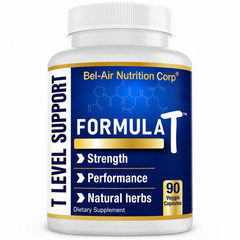
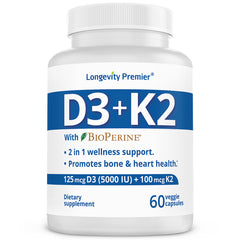
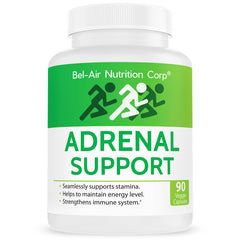
Bulk Creatine Monohydrate Powder for Supplement Manufacturing
Creatine monohydrate is a white crystalline powder made by chemical synthesis from sarcosine and cyanamide. Each creatine molecule carries one bound water molecule, so the powder is 87.9% creatine by weight. It is traded in standard 80 mesh and micronized 200 mesh grades, with purity measured by HPLC (high performance liquid chromatography). We supply it in bulk to supplement brands, contract manufacturers, and formulators. You can request testing documents and samples on the quote form.
A single, well specified compound for powder and capsule formulas
Creatine monohydrate is the most common form of creatine sold in supplements. It has a fixed formula, named synthesis impurities, and standard test methods. That makes supplier comparison and lot release simple for quality teams.
Fixed formula and content
The formula is C4H9N3O2·H2O, with a molecular weight of about 149. Because one water molecule is bound to each creatine molecule, the powder is 87.9% creatine by weight.
Clear assay targets
Most specifications call for 99.5% or more creatine monohydrate by HPLC. Some grades made in Germany state a 99.9% minimum.
Two common mesh sizes
Standard grades pass an 80 mesh screen. Micronized grades are milled to pass 200 mesh, so the powder wets out and disperses faster in liquid mixes.
Synthesis and byproducts
Makers react sodium sarcosinate with cyanamide, then crystallize, filter, and dry the product. Good specifications set limits for the byproducts this can leave: creatinine, dicyandiamide, and dihydrotriazine.
Stable as a dry powder
Sealed, dry creatine monohydrate holds its assay for years with little change to creatinine. In water it slowly turns into creatinine, so liquid and gummy formats need their own stability trials.
Neutral taste, limited solubility
The powder is white, odorless, and close to tasteless. About 14 g dissolves in a liter of water at 20 °C, so a 5 g portion in 250 mL of cold water leaves some powder suspended.
Where formulators use creatine monohydrate
Creatine monohydrate fits measured dry formats where the serving size is controlled, including:
- Single ingredient powders
- Sports nutrition powders
- Protein powders and blends
- Powdered drink mixes
- Capsules
- Compressed tablets
- Stick packs and sachets
- Protein bars, after stability trials
- Gummies and chews, after stability trials
- Private label programs
Plan creatine per serving from the confirmed assay and the 87.9% creatine content. Creatine turns into creatinine in water over time, so test finished gummies, chews, and liquids at release and again at the end of shelf life.
What to check before you buy creatine monohydrate
Two creatine monohydrate powders can share a name and still differ in impurity limits, mesh, and heavy metal limits. Review these points together, and ask for lot documents before you approve a supplier.
Assay by HPLC
Confirm the creatine monohydrate assay by HPLC against a reference standard, usually NLT 99.5%. Loss on drying near 12% is normal for this ingredient, since the test drives off the bound water.
Synthesis impurity limits
Ask for limits and lot results for creatinine, dicyandiamide, and dihydrotriazine. Common limits are NMT 100 ppm, NMT 50 ppm, and NMT 3 to 5 ppm. Also ask whether every lot is tested or only some lots on a schedule.
Mesh and bulk density
Ask for the sieve result and bulk density on the COA. Micronized grades are usually less dense than 80 mesh grades, which changes capsule fill weight and scoop size.
Manufacturer and country
Ask for the manufacturer's name and country of manufacture on the COA. Branded creatine names belong to their owners and apply only to their own material.
Heavy metal limits
Check lead, arsenic, cadmium, and mercury by ICP-MS. Published limits vary widely: one 200 mesh spec allows 3.0 ppm lead, while a made in Germany spec lists 0.1 ppm. Because creatine is used by the gram, that limit carries straight into your finished product.
Certificates for your market
Brands that sell into sports channels often ask for lot screening against banned substance lists. Ask which certificates are current for the lot you will receive. Kosher and halal certificates may be available depending on the lot, so please confirm with us before you order.
Label math: If your label states creatine per serving, account for the bound water. Five grams of creatine monohydrate supplies about 4.4 g of creatine, so base your numbers on the COA assay and your own finished product testing.
Typical specification for creatine monohydrate
These values reflect common market specifications for creatine monohydrate. Final figures come from the specification sheet and COA for your lot. NLT means not less than, and NMT means not more than.
| Parameter | Specification | Method |
|---|---|---|
| Identity | Creatine monohydrate, C4H9N3O2·H2O, CAS 6020-87-7 | FTIR or HPLC against reference standard |
| Appearance | White crystalline powder, odorless | Visual |
| Assay (creatine monohydrate) | NLT 99.5% | HPLC |
| Creatine content | About 87.9% | Calculated from assay |
| Creatinine | NMT 100 ppm | HPLC |
| Dicyandiamide | NMT 50 ppm | HPLC |
| Dihydrotriazine | NMT 5 ppm | HPLC or LC-MS |
| Particle size | NLT 70% through 200 mesh, or 80 mesh standard grade | USP <786> |
| Loss on drying | 10.5 to 12.5% | USP <731> |
| Residue on ignition | NMT 0.1% | USP <281> |
| Bulk density | 0.40 to 0.70 g/mL | USP <616> |
| Lead | NMT 3.0 ppm | ICP-MS |
| Arsenic | NMT 1.5 ppm | ICP-MS |
| Cadmium | NMT 1.0 ppm | ICP-MS |
| Mercury | NMT 0.1 ppm | ICP-MS |
| Total aerobic count | NMT 1,000 cfu/g | USP <2021> |
| Yeast and mold | NMT 100 cfu/g | USP <2021> |
| E. coli and Salmonella | Negative in 10 g and 25 g | USP <2022> |
| Shelf life | 24 to 36 months, unopened | Stability data |
Storage and handling for bulk creatine monohydrate
Creatine monohydrate keeps well as a dry powder when it stays sealed and cool. These steps keep the powder in good condition between production runs.
Keep it sealed
Close the inner liner after each use and press out the air. Fine powders pick up moisture from the air and can cake when left open.
Store cool and dry
Keep bags off the floor in a dry room, away from heat sources. Follow the temperature range on the spec sheet.
Control dust
Micronized creatine is light and dusty. Use local dust extraction when you weigh and blend, and follow the PPE guidance on the safety data sheet.
Rotate stock
Record the lot number and retest date for each bag. Send older lots to production first.
Creatine monohydrate buyer FAQ
Quick answers to the questions procurement and quality teams ask most.
What is the difference between 80 mesh and 200 mesh creatine monohydrate?
The difference is particle size. 200 mesh, often sold as micronized, is milled finer and disperses faster in liquid mixes. 80 mesh is coarser and denser, so more powder fits in a given capsule volume. The chemistry and assay are the same.
How much creatine is in creatine monohydrate?
Creatine monohydrate is 87.9% creatine by weight. The rest is the bound water molecule. So 5 g of creatine monohydrate supplies about 4.4 g of creatine.
Which impurities should a creatine monohydrate COA show?
A good COA reports creatinine, dicyandiamide, and dihydrotriazine, along with assay and heavy metals. These are byproducts of the synthesis. Typical limits are NMT 100 ppm creatinine and NMT 50 ppm dicyandiamide, with dihydrotriazine at 5 ppm or less.
Is this a branded creatine?
Only if the lot comes from the brand owner. Branded creatine names are registered trademarks, and other makers cannot use them. The country of manufacture for each lot is provided with your quote.
Does creatine monohydrate dissolve in water?
Yes, but only in limited amounts. About 14 g dissolves in a liter of water at 20 °C, and about 34 g at 50 °C. In cold drinks some powder stays suspended, and micronized grades make this less visible.
Is creatine stable in gummies and liquids?
It is less stable there than as a dry powder. In water, creatine slowly turns into creatinine, and heat speeds this up. Run stability tests on finished gummies, chews, and drinks, and measure creatine again at the end of shelf life.
What documents can I get with an order?
A certificate of analysis (COA) and a specification sheet ship with every order. An allergen statement and a safety data sheet may also be available, depending on the lot in inventory. Contact us to request them.
Can I get a sample before a bulk order?
You can request one by choosing sample options on the quote form. We will confirm availability, size, and timing.
Request a quote for bulk creatine monohydrate
Tell us your mesh size, quantity, and timing. We will reply with current pricing. Select testing documents and sample options on the quote form.
Order Creatine MonohydrateBulk orders: Choose a pack size above, or use the quote form for larger volumes, testing documents, and sample options. We serve supplement brands, contract manufacturers, product developers, and formulators.
This bulk ingredient is sold for further manufacturing and formulation. The information on this page describes the ingredient and how commercial buyers evaluate it. It is not medical advice. Each finished product brand is responsible for its own labeling and product claims.


